Introduction
introduction:-the-challenge-of-aging-gracefully-in-a-fast-paced-worldWhen planning rhinoplasty, one of the most important decisions is selecting the material for the implant or graft. This choice affects how your nose will look, feel, and age over time. In 2025, surgical techniques have advanced, but the materials in use remain grounded in three main categories: autologous cartilage, silicone implants, and porous synthetic materials like ePTFE. Let’s walk through each option, their pros and cons, and how to choose the best fit for your anatomy and aesthetic goals.
1. Autologous Cartilage: Your Own Tissue, Naturally
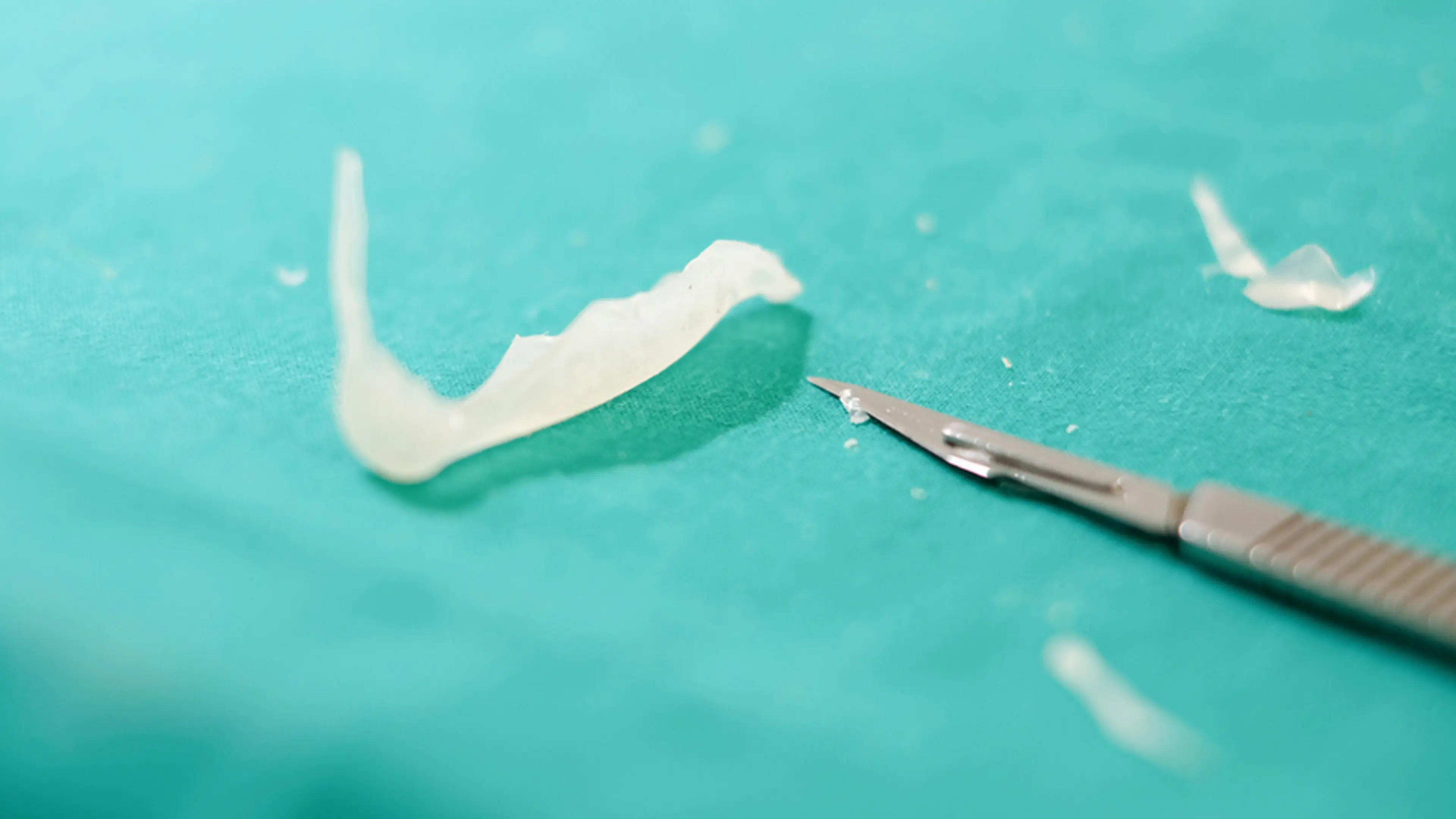
1.-autologous-cartilage:-your-own-tissue-naturallyDefinition: Autologous cartilage refers to grafts harvested from your own body, typically from the nasal septum, ear (conchal cartilage), or rib (costal cartilage). These grafts are shaped and positioned by the surgeon to build up or refine nasal structure.
Advantages:
High biocompatibility: Since the material comes from your body, it eliminates risks of rejection, allergic reaction, or chronic inflammation. This is particularly important in long-term safety.
Natural look and feel: Autologous cartilage integrates with existing nasal tissues and ages naturally over time. Unlike synthetic materials, it doesn’t sit rigidly under the skin, making the nose feel soft and lifelike.
Low risk of long-term complications: This material reduces the risk of extrusion, capsular contracture, or implant displacement, making it ideal for patients seeking stability.
Custom shaping: Particularly useful for refining the nasal tip, correcting asymmetries, or supporting the nasal septum in more complex or revision procedures.
Limitations:
Limited volume: Septal cartilage may not provide enough material for large dorsal augmentations. In such cases, rib cartilage is considered.
Donor site surgery: Harvesting cartilage from the ear or rib introduces a second surgical area, potentially leading to scarring or additional discomfort.
Potential warping: Rib cartilage, if not carved properly, may bend or shift over time. Expert surgical skill is required to minimize this risk.
Technically demanding: Sculpting and placing cartilage requires a high level of precision. Only experienced rhinoplasty surgeons should perform this procedure.
Clinical Insight: Autologous cartilage is often preferred in patients with thin skin, as synthetic implants may become visible or cause contour irregularities. It is also the first choice for revision rhinoplasty or cases involving trauma or previous implant complications.
Best For:
Patients with thin or sensitive nasal skin
Those wanting subtle, natural results
Complex revisions or nasal reconstructions
Patients prioritizing long-term safety over convenience
2. Silicone Implants: Predictable and Defined
2.-silicone-implants:-predictable-and-defined
Definition: Pre-formed, medical-grade silicone implants are widely used to augment the nasal bridge and increase projection. They are carved or selected to match the patient’s desired profile.
Advantages:
Predictable outcomes: Silicone implants come in a range of shapes and sizes, allowing surgeons to create defined, high-bridge profiles, especially in Asian rhinoplasty.
No donor-site needed: Avoids the need for harvesting tissue, which shortens operation time and reduces overall trauma.
Maintains shape over time: Silicone is durable and stable, making it suitable for patients who prioritize a well-defined look.
Limitations:
Feels less natural: Particularly in patients with thin skin, silicone may feel firmer or appear unnatural. The rigid material doesn’t adapt to subtle skin movements.
Risk of movement or extrusion: As silicone is not absorbed or integrated, it can shift position over time, especially if not fixed securely.
Long-term concerns: In rare cases, capsular contracture or thinning of the overlying skin may occur, which can lead to implant visibility or the need for revision surgery.
Clinical Insight: Silicone implants remain popular in Korea and other parts of Asia due to their efficiency in creating sharp, elevated nasal bridges. However, skilled placement is critical to reduce risks, especially in patients with thinner soft tissue coverage.
Best For:
Patients desiring strong bridge definition
Those with thicker skin or good soft tissue coverage
Cases where cartilage harvesting is not feasible or declined by the patient
Individuals seeking a straightforward, one-time enhancement
3. Porous Synthetic Implants (ePTFE): A Softer Synthetic Option
3.-porous-synthetic-implants-(eptfe):-a-softer-synthetic-optionDefinition: Expanded polytetrafluoroethylene (ePTFE), often marketed as Gore-Tex, is a synthetic material known for its softness and porosity. It allows partial tissue ingrowth, improving implant stability.
Advantages:
Natural feel: ePTFE is softer than silicone and conforms more readily to surrounding tissues, resulting in a more natural tactile experience.
Tissue integration: The porous surface allows tissue to bond slightly with the implant, reducing the likelihood of shifting.
Smooth transitions: This adaptability makes it ideal for patients seeking subtle enhancements without an overly rigid profile.
Limitations:
More difficult to remove: Once tissue has grown into the implant, removal becomes more complicated compared to silicone.
Still a synthetic material: Though softer, ePTFE remains a foreign body and may elicit inflammation or infection in rare cases.
Long-term durability: In some cases, it may thin or degrade slightly over many years, though this varies based on placement technique and patient anatomy.
Clinical Insight: ePTFE is often chosen for patients who want the softness of cartilage but without donor-site surgery. It offers a middle-ground solution when cartilage isn’t available or silicone feels too rigid.
Best For:
Patients seeking a natural feel without harvesting cartilage
Individuals with moderate skin thickness
Primary rhinoplasty cases where slight augmentation is needed
4. How Surgeons Choose in 2025
4.-how-surgeons-choose-in-2025
Today, rhinoplasty isn’t a one-size-fits-all operation. The best surgeons assess numerous factors before selecting a graft or implant:
Skin thickness and quality: Determines how well an implant will integrate or be concealed.
Augmentation volume required: Small enhancements may work well with cartilage; large dorsal raises may benefit from silicone.
Patient preference: Some patients prefer not to have foreign material, while others prioritize ease and shape predictability.
Surgical history: Revision cases or previously implanted noses may require cartilage due to scarring or structural deficits.
Aesthetic goals: A high bridge, narrow tip, or soft dorsal slope may influence the material selected.
Trends in 2025: With advanced imaging, 3D simulations, and personalized surgical planning, surgeons can now better match material choice with patient anatomy. There is also increasing interest in combining cartilage with synthetic implants to optimize both feel and shape, especially in hybrid techniques.
5. The Yujin Approach: Precision and Personalization
5.-the-yujin-approach:-precision-and-personalizationAt Yujin Plastic Surgery in Gangnam, Seoul, we believe rhinoplasty is both an art and a science. Every procedure is led by Dr. Tae-jo Kang, a pioneer in Korean facial contouring and regenerative surgery. Unlike large clinics where multiple doctors handle different parts of surgery, Yujin operates on a strict one-doctor philosophy.
Why this matters:
Continuity of care: From consultation through post-op care, patients interact directly with Dr. Kang.
Meticulous planning: Each patient’s facial proportions, skin quality, and anatomical limits are evaluated carefully.
High-level craftsmanship: Whether sculpting rib cartilage or adjusting a silicone implant, the result reflects an artistic eye.
Regenerative focus: By combining rhinoplasty with fat grafting or stem cell techniques, tissue healing and long-term outcomes are enhanced.
This level of care reduces complications, enhances satisfaction, and avoids unnecessary revisions. For many international patients, Yujin’s tailored, high-safety approach is a primary reason for traveling to Korea for surgery.
6. Questions to Ask Before Your Rhinoplasty
6.-questions-to-ask-before-your-rhinoplastyTo make an informed decision, patients should ask the following during their consultation:
What implant or graft do you recommend for my nose, and why?
How does my skin thickness affect the material choice?
If using cartilage, where will it be harvested from, and how will the donor site heal?
What risks come with each material in my specific case?
How do you ensure the implant won’t shift or become visible over time?
If I need revision in the future, will the chosen material be easy to modify or remove?
These questions ensure transparency and help you choose a clinic and surgeon aligned with your safety and aesthetic values.
Conclusion: No One-Size-Fits-All
conclusion:-no-one-size-fits-allChoosing the right nose implant material in 2025 means considering your goals, anatomy, skin type, and comfort with either natural or synthetic materials. Each material has a place — and when matched correctly, any of them can deliver beautiful, lasting results.
For maximum biocompatibility and natural feel: Autologous cartilage
For efficient surgery and sharp definition: Silicone implants
For softness with synthetic convenience: Porous alloplasts like ePTFE
At Yujin, we take the time to understand not just your nose, but your face, lifestyle, and long-term goals. If you’re considering rhinoplasty and value precision, personalization, and proven safety, consider a consultation with a one-doctor clinic where artistry meets science.