Introduction

introduction:-the-challenge-of-aging-gracefully-in-a-fast-paced-world

An expert guide — what they are, why they work, and how to approach them safely

To many, the idea of “filler injections” brings to mind instantly smooth, youthful contours — lips that feel soft, cheeks that look lifted, and fine lines that seem to fade like mist in morning sun. The reality, though, is slightly more sophisticated: achieving truly natural, plump skin with fillers involves both art and science, a deep understanding of facial anatomy, aging physiology, and a clear sense of what “youthful harmony” means for each individual.

Here’s a clear, clinician‑to‑patient explanation of how filler injections work, what they can and cannot do, and how to approach them safely and confidently.


What Are Filler Injections?

what-are-filler-injections
At its core, a dermal filler is a biocompatible substance injected beneath the skin to restore lost volume, soften lines, or enhance natural contours.

But to be honest, the term “filler” is so broad that it risks being misunderstood. Not all fillers are the same, nor are they all used for the same goals.

The Most Common Filler: Hyaluronic Acid

the-most-common-filler:-hyaluronic-acid
Hyaluronic acid (HA) is by far the most widely used filler worldwide. It’s a naturally occurring molecule in our skin that attracts and holds water — which is why, when placed strategically, it helps create that plump, hydrated look many patients crave.

HA fillers vary by:

  • Viscosity (thickness)
  • Cross‑linking technology (how the molecules are bound together)
  • Intended depth of placement

These differences matter: a filler used for the tear trough under the eye is not the same as one used for cheek augmentation. The right match between product and position makes all the difference in outcome and safety.

Other Types of Fillers

other-types-of-fillers

Although HA dominates the market due to safety and reversibility (with an enzyme that can dissolve it if needed), other fillers — such as calcium hydroxylapatite or poly‑L‑lactic acid — exist. They are typically used for deeper structural support or collagen stimulation over time, rather than immediate surface plumping.

Again, the key takeaway here is: purpose matters as much as product.

Why Fillers Give Plump, Smooth Skin

why-fillers-give-plump-smooth-skin

There are three main ways fillers improve the appearance of skin:

1. Volume Restoration

1.-volume-restoration

As we age, we lose fat pads beneath the skin — especially around the cheeks, temples, and under‑eye area. This loss creates hollows and flattening that make the skin look tired or gaunt.

Filler replaces that volume.
Not like a mask on top of the skin, but like scaffolding beneath it — gently pushing up and smoothing over the surface from within.

2. Surface Smoothness

2.-surface-smoothness

Fine lines form where skin has repeatedly folded or where underlying structure has diminished.

HA fillers don’t just “fill a line” — they support the surrounding tissue, subtly lifting and redistributing tension so the skin surface appears smoother.

3. Hydration and Glow

3.-hydration-and-glow
Because HA attracts water, fillers help the skin look more luminous and hydrated, creating that healthy, dewy appearance patients often describe as “glow.”

This is why even relatively small amounts of filler, when placed with precision, can have a disproportionately positive visual effect.


Who Is a Good Candidate?

who-is-a-good-candidate

People come to us for fillers with a range of goals — from “soften my smile lines” to “lift my cheekbones without surgery” to “plump my lips just a little.”

In general, good candidates are individuals who:
  • Want subtle enhancement rather than dramatic change

  • Are bothered by volume loss, lines, or flattening with aging

  • Have realistic expectations about what fillers can achieve

  • Are in generally good health

But here’s the thing many don’t realize: chronological age matters less than tissue quality and facial balance. That’s why two patients of the same age often need very different approaches.

What Fillers Can and Cannot Do

what-fillers-can-and-cannot-do

What Fillers Can Do

what-fillers-can-do
  • Restore lost volume in cheeks, lips, temples, and under‑eye

  • Soften lines around mouth and nose

  • Improve skin hydration and subtle texture

  • Enhance facial contours (e.g., jawline, chin)

What Fillers Cannot Do

what-fillers-cannot-do
  • Permanently stop aging (touch‑ups are necessary)

  • Replace surgical lifting procedures if significant sagging exists

  • Fix volume loss from medical conditions without a tailored plan

  • Replace skincare, sunscreen, and lifestyle factors

Here’s the part patients often overlook: fillers are a tool — not a cure‑all miracle. Their best results come from being part of an overall aesthetic strategy that might also include skincare, lasers, or other therapies.

The Injection Process: What to Expect

the-injection-process:-what-to-expect

1. Consultation and Mapping

1.-consultation-and-mapping

Before any injection, a reputable clinician will:

  • Assess your anatomy and aging pattern

  • Discuss your goals in detail

  • Map injection points based on structural needs, not just surface concerns

At Yujin Plastic Surgery, we place special emphasis on facial harmony — meaning, enhancements that balance with your unique features rather than overshadow them.

2. Choosing the Right Filler

2.-choosing-the-right-filler

Different fillers behave differently under the skin. Some are soft and mobile — ideal for lips. Others are firmer for deeper support.

Matching the right product to the right anatomical layer is crucial.

3. Pain Management and Sterility

3.-pain-management-and-sterility

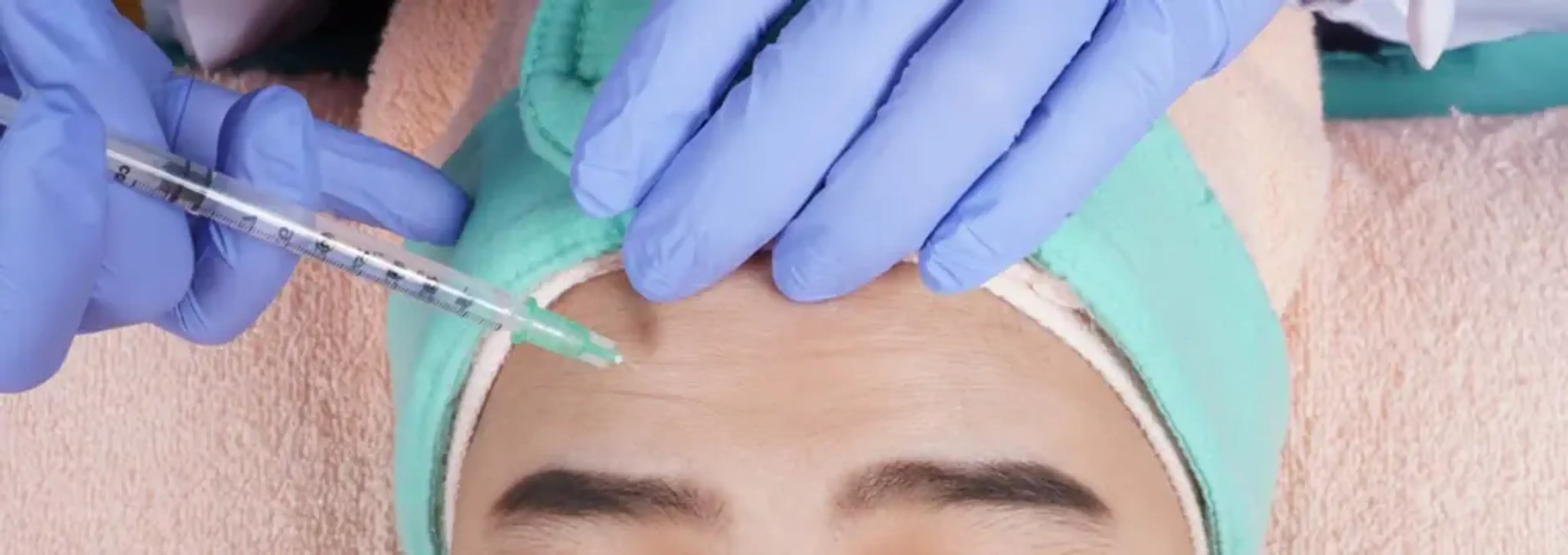
Topical numbing and/or local anesthetic within the filler itself help minimize discomfort. All injections are performed under strict sterile technique to reduce risks.

4. The Injection

4.-the-injection

A steady, controlled technique matters more than the quantity of filler. Less can be more — particularly in delicate zones like under the eyes.

5. Immediate Aftercare

5.-immediate-aftercare

Some swelling, redness, or tiny bumps can occur, especially in the first 24‑48 hours. These are normal and temporary.

Post‑care typically includes:

  • Avoiding strenuous exercise for 24 hours

  • Minimizing pressure on treated areas

  • Using cold compresses as needed


How Long Does It Last?

how-long-does-it-last
With HA fillers, results typically last 6–18 months depending on:
  • Product type

  • Injection area

  • Metabolic factors unique to each patient

Lips and areas with high movement often metabolize filler faster. Structural areas, like cheeks and jawline, can hold results longer.

Regular touch‑ups help maintain results gracefully over time.


Safety Matters: Choosing the Right Hands

safety-matters:-choosing-the-right-hands
Here’s something only experienced clinicians can convey clearly: the safety of filler injections is heavily tied to injector skill and anatomy knowledge.

Complications — though rare — can include:

  • Unevenness or lumps

  • Vascular occlusion (when filler accidentally enters a blood vessel)

  • Prolonged swelling or sensitivity

The good news? With an injector who understands not just how to place filler, but why they’re placing it in a specific plane, the risk is minimized.
At Yujin Plastic Surgery, an important part of our philosophy is one‑doctor continuity — you’re not passed around to junior injectors. Every step is overseen by a specialist with years of hands‑on experience.

Common Areas Treated With Fillers

common-areas-treated-with-fillers

Cheeks

cheeks

Restores youthful projection and lifts mid‑face contours.

Under‑Eye (Tear Trough)

undereye-(tear-trough)

Smooths hollows that make one look tired — one of the more technically demanding zones.

Lips

lips

From subtle hydration to gentle contouring — always with an eye toward natural proportions.

Nasolabial Folds

nasolabial-folds

Softens deep lines running from nose to mouth without distorting expression.

Jawline and Chin

jawline-and-chin

Defines structure and supports lower‑face balance.

Each area demands a different strategy — there’s no one‑size‑fits‑all blueprint.


Combining Fillers With Other Therapies

combining-fillers-with-other-therapies

Many patients ask, “Should I do fillers alone, or combine with other treatments?”

The short answer: it depends on your goals and tissue condition.

Some excellent complementary therapies include:

  • Botulinum toxin for dynamic lines
  • Laser treatments for skin texture
  • Microneedling or radiofrequency for collagen stimulation
  • Regenerative therapies like stem cell‑enhanced fat grafting for deeper volumization

Fillers can provide immediate contouring and hydration, while regenerative approaches build long‑term tissue quality from within. This dual strategy often yields the most natural, resilient results.


Real Patient Insight: The Value of Natural Enhancement

real-patient-insight:-the-value-of-natural-enhancement
Patients often come in fearing they’ll look “done” or artificial. What many discover — especially when treated by an expert — is that subtle changes can rejuvenate without dramatic transformation.

One patient put it aptly:

“I wanted to look like a rested, well‑hydrated version of myself, not a different person.”

That’s exactly the kind of result we aim for. Fillers are powerful tools — but they shine most when used with restraint, insight, and respect for individual anatomy.


Final Thoughts: Is Filler Right for You?

final-thoughts:-is-filler-right-for-you

If you’re considering smoother, plumper skin — whether to soften lines, restore lost volume, or simply feel more confident in your own face — fillers can be an excellent option. But the deciding factors shouldn’t be trends or before/after photos alone. They should be:
  • Your individual facial structure
  • Your unique aging pattern
  • A thorough medical assessment
  • A clinician who values natural balance over dramatic change
At Yujin Plastic Surgery, we combine technical precision with an aesthetic philosophy centered on enhance, don’t exaggerate. If you’ve been contemplating fillers but are unsure where to start, consider a detailed consultation that looks at your face as a whole — not just a problem area.
Because the best results aren’t just seen…
They’re felt — in confidence, natural harmony, and the subtle way others say, “You look great!”