Introduction: A New Paradigm in Skin Rejuvenation

introduction:-a-new-paradigm-in-skin-rejuvenation

In Korean aesthetic medicine, where natural results and minimal downtime are paramount, adipose-derived stem cells (ADSCs) are gaining recognition as a powerful tool for skin regeneration. At Yujin Plastic Surgery & Dermatology & Stem Cell Research Center in Gangnam, we don't just see fat as volume—it’s a reservoir of regenerative potential. As patients increasingly seek subtle, long-lasting rejuvenation over short-term fixes, the role of ADSCs in restoring skin health and elasticity has come into sharper focus.

But how exactly do ADSCs help reverse skin aging—and why are they becoming a cornerstone of regenerative aesthetics in clinics like Yujin?


1. What Are Adipose-Derived Stem Cells?

1.-what-are-adipose-derived-stem-cells

Adipose-derived stem cells (ADSCs) are mesenchymal stem cells (MSCs) sourced from adipose (fat) tissue. Unlike embryonic stem cells, these adult stem cells are ethically sourced and autologous—meaning they come from your own body, significantly reducing the risk of rejection or adverse reactions.

Harvested through minimally invasive liposuction, ADSCs offer unique advantages:

  • Abundant and accessible: Fat tissue is plentiful and easier to extract than bone marrow, making ADSCs more practical for aesthetic use.
  • Self-renewing and multipotent: These cells can differentiate into various tissue types, including skin, bone, and vascular cells.
  • Potent paracrine signaling: ADSCs release a ‘secretome’—a cocktail of growth factors, cytokines, and exosomes that promote repair.
  • Immunomodulatory action: ADSCs reduce inflammation and encourage tissue healing, making them ideal for aging or photo-damaged skin.

In essence, ADSCs provide both a structural and biological toolkit for restoring youthful skin from the inside out.


2. Why Skin Ages—and What ADSCs Target

2.-why-skin-agesand-what-adscs-target

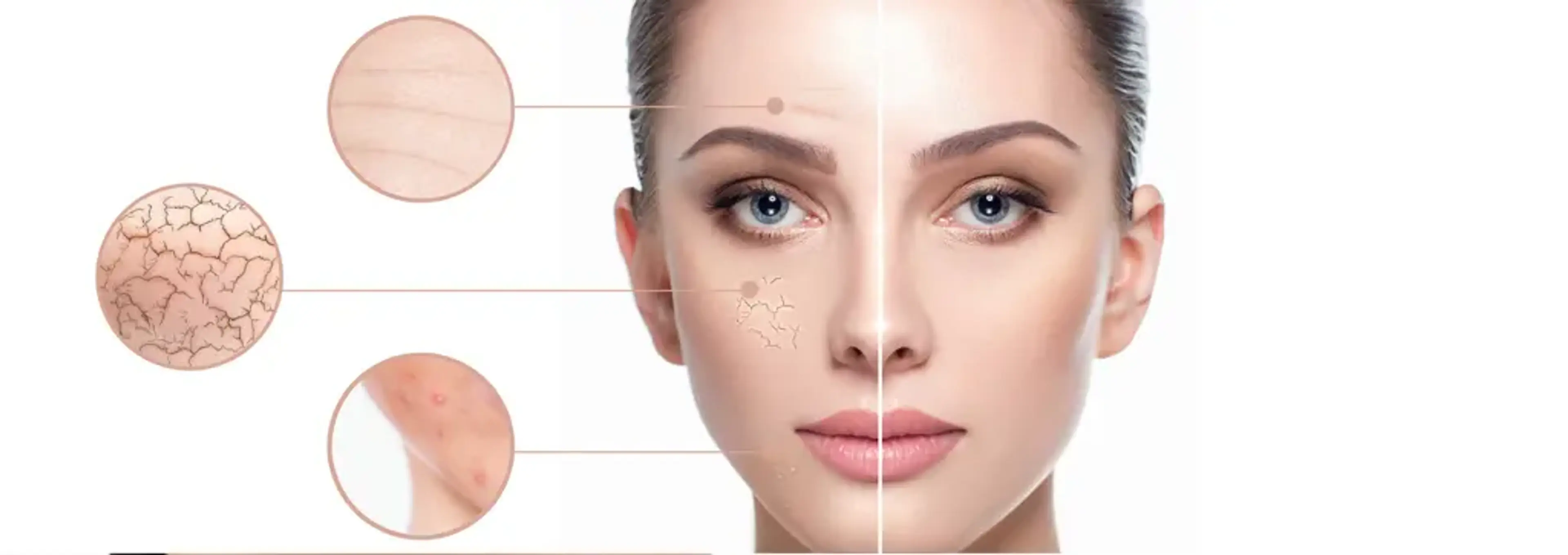
Understanding how ADSCs reverse aging begins with understanding what aging does to skin. As we grow older, skin deterioration is driven by both internal (chronological aging) and external (UV exposure, pollution) factors. Here are the core biological changes:

  • Loss of dermal collagen and elastin: Skin becomes thinner, less firm, and more prone to wrinkles.
  • Declining fibroblast function: These cells, responsible for producing collagen, slow down.
  • Diminished microcirculation: Reduced blood supply compromises skin repair.
  • Oxidative stress and chronic inflammation: Free radicals and ‘inflamm-aging’ accelerate tissue damage.
  • Fat volume depletion: Structural support diminishes, leading to sagging and hollow areas.
  • Dysregulated ECM remodeling: Matrix metalloproteinases (MMPs) break down collagen faster than it can be replaced.

ADSCs are uniquely suited to address each of these issues:

  • Stimulating fibroblasts and dermal repair

  • Encouraging new blood vessel formation (angiogenesis)

  • Suppressing chronic inflammation

  • Replenishing volume and restoring soft-tissue support

  • Enhancing ECM organization and hydration


3. How ADSCs Reverse Skin Aging: Three Mechanisms

3.-how-adscs-reverse-skin-aging:-three-mechanisms

3.1 Paracrine Effects (The Secretome)

3.1-paracrine-effects-(the-secretome)

The regenerative power of ADSCs lies not just in what they become, but in what they release. These stem cells secrete bioactive molecules—including exosomes and extracellular vesicles—that modulate cellular behavior in nearby tissue. Clinically, this means:

  • Fibroblast activation: Boosts production of collagen types I and III and elastin, improving firmness and elasticity.
  • Keratinocyte stimulation: Promotes a healthy skin barrier and enhanced epidermal turnover.
  • Anti-inflammatory signaling: Reduces pro-inflammatory cytokines like IL-6 and TNF-α, calming irritated, aging skin.
  • Antioxidant support: Enhances cellular defenses against oxidative stress, particularly UV-induced damage.
  • Improved ECM stability: Reduces MMP activity and supports balanced remodeling of collagen and hyaluronic acid.

These effects are subtle yet profound. Patients typically notice smoother texture, more even skin tone, and reduced fine lines over several months—not because the skin is stretched or filled, but because it's healthier.

3.2 Structural and Volumetric Restoration

3.2-structural-and-volumetric-restoration

Volume loss is a hallmark of facial aging, particularly in areas like the cheeks, temples, and under-eye hollows. Fat grafting, when combined with viable ADSCs, serves two purposes:

  • Volume enhancement: Replenishes lost fat naturally, restoring youthful contours.
  • Tissue regeneration: ADSCs within the graft stimulate dermal remodeling and skin quality improvement.

This synergy means that unlike synthetic fillers, which simply occupy space, ADSC-enriched fat grafts improve both form and function. In studies, patients receiving ADSC-rich grafts reported longer-lasting volume retention and noticeable improvement in skin tone and texture.

At Yujin, we use the HarvestJet™ system for fat harvesting, which minimizes cell trauma and preserves the integrity of ADSCs—setting the stage for superior regenerative outcomes.

3.3 Immunomodulation and Microenvironment Repair

3.3-immunomodulation-and-microenvironment-repair

Chronic inflammation is a silent accelerant of skin aging. ADSCs combat this through their immunomodulatory capabilities:

  • Macrophage polarization: Encourages immune cells to shift from pro-inflammatory to healing states.
  • Cytokine balancing: Downregulates aging-promoting cytokines while increasing anti-inflammatory markers.
  • Improved dermal environment: Creates a more hospitable setting for fibroblasts and keratinocytes to thrive.

In damaged or senescent skin, this repair of the “microenvironment” allows for better cellular function and longer-lasting results.


4. Clinical Evidence: What the Research Shows

4.-clinical-evidence:-what-the-research-shows

Clinical studies continue to validate the use of ADSCs in aesthetic medicine:

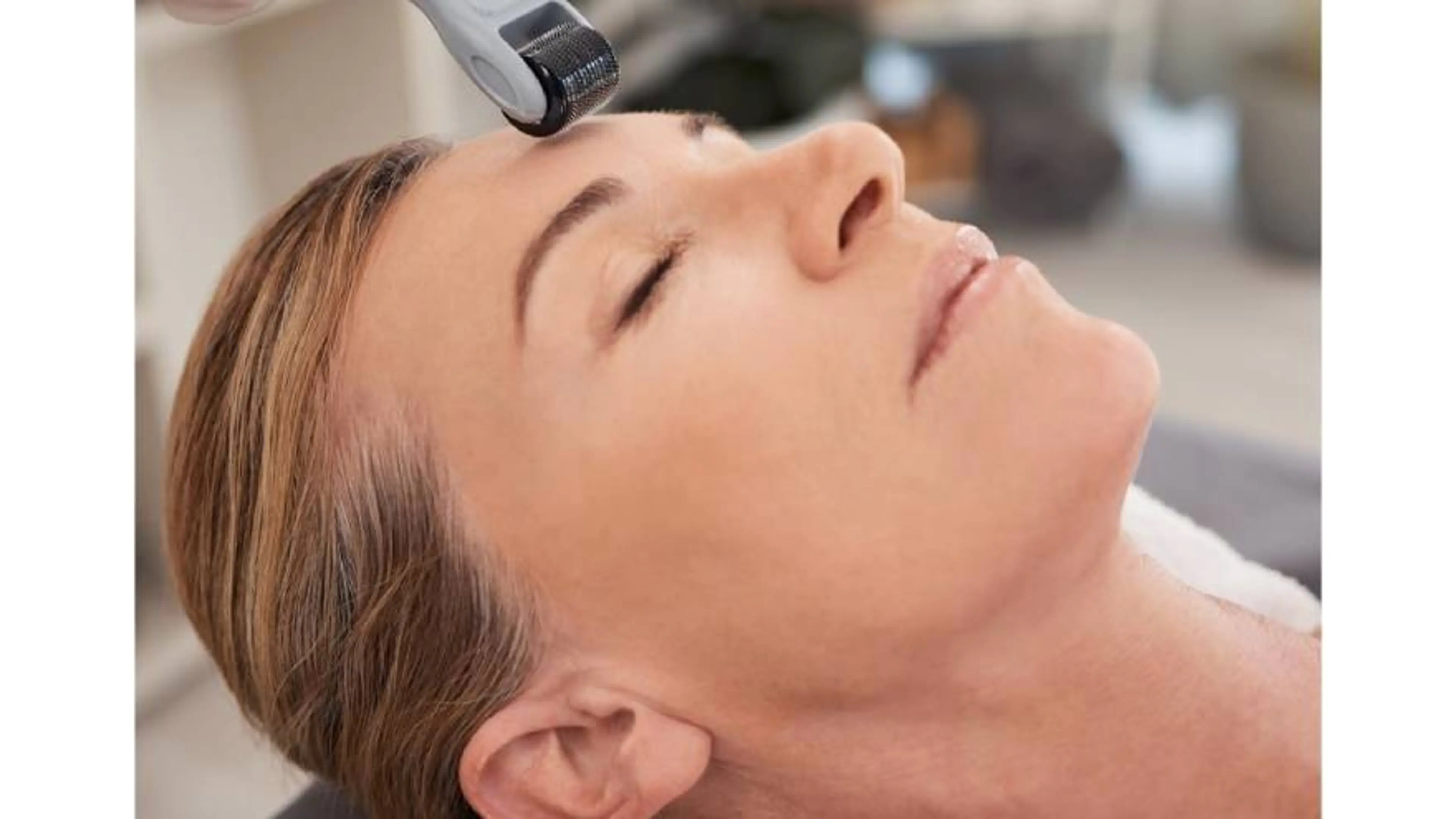
  • Split-face studies in Korea show enhanced skin texture and hydration when using ADSC-derived exosomes in combination with microneedling.
  • Systematic reviews across aesthetic journals confirm improvements in elasticity, pigmentation, and fine lines—particularly when ADSCs are combined with energy-based devices like lasers or regenerative agents like PRP.
  • Animal and human models show enhanced collagen synthesis and dermal thickening in UV-damaged skin after ADSC application.
  • Fat grafting studies reveal higher graft survival rates and improved overlying skin quality when ADSC-rich fractions are included.

Safety-wise, ADSCs have an excellent track record when autologously harvested and processed under sterile conditions. Side effects are minimal and typically limited to post-procedural swelling or bruising.

Still, success depends on the technique and oversight—highlighting the value of a one-doctor clinic model like Yujin’s, where consistency is paramount.


5. Why This Matters at Yujin Clinic

5.-why-this-matters-at-yujin-clinic

Yujin Plastic Surgery integrates ADSCs not as a trend, but as a foundational element in our approach to natural rejuvenation. Here’s what sets us apart:

  • One-doctor continuity: Dr. Tae-jo Kang personally handles all aspects of the procedure, ensuring every stage—from harvesting to injection—is done with care.
  • HarvestJet system: Minimizes trauma to adipose tissue, preserving stem cell viability for greater regenerative effect.
  • Precision placement: Fat and ADSCs are not randomly injected but thoughtfully layered in facial compartments based on years of anatomical expertise.
  • Custom combinations: ADSC therapy is often paired with microneedling, PRP, or laser for synergistic benefit tailored to each patient’s needs.

We believe in enhancing the skin’s natural beauty—not disguising it. That’s why our patients often return for maintenance, not corrections.


6. What to Ask Your Clinic

6.-what-to-ask-your-clinic

If you’re exploring ADSC-enhanced treatments, be an informed patient. Key questions include:

  • How are the ADSCs harvested and processed? Quality techniques like gentle centrifugation or mechanical isolation preserve cell integrity.
  • Are ADSCs combined with other modalities? Integration with PRP, lasers, or microneedling can boost results.
  • Is the procedure customized or one-size-fits-all? Ask how your skin will be assessed for volume loss, texture, and elasticity.
  • Who performs the procedure? Continuity matters—choose a clinic where the same doctor guides the entire process.

At Yujin, we welcome these questions. Transparency and education are part of the patient journey.


7. Who Is—and Isn’t—a Good Candidate

7.-who-isand-isn'ta-good-candidate

Ideal Candidates:

ideal-candidates:
  • Adults aged 30–60 beginning to notice volume loss, skin laxity, or dullness

  • Individuals seeking natural refinement over artificial enhancement

  • Patients open to gradual, regenerative improvement with minimal downtime

Less Ideal Candidates:

less-ideal-candidates:
  • Those with advanced sagging requiring surgical lifting (e.g., full facelift)

  • Individuals with chronic health conditions, uncontrolled diabetes, or autoimmune disorders

  • Heavy smokers or those unable to commit to post-treatment care (e.g., avoiding sun exposure)

  • Patients expecting instant, dramatic results

ADSC therapy is not about looking radically different—it’s about restoring what age has quietly taken away.


8. The Yujin Workflow: Step-by-Step

8.-the-yujin-workflow:-step-by-step

We follow a meticulous process to ensure optimal outcomes:

we-follow-a-meticulous-process-to-ensure-optimal-outcomes:
  1. Comprehensive Consultation: Dr. Kang assesses skin health, facial structure, and patient goals.
  2. Harvesting Fat: Performed under local anesthesia or light sedation using the HarvestJet system.
  3. Processing ADSCs: Fat is processed to isolate and preserve the stem cell-rich fraction.
  4. Precision Grafting: Fat and ADSCs are injected into targeted areas using micro-cannulas.
  5. Regenerative Support: Often combined with microneedling, PRP, or laser therapy.
  6. Post-Care Guidance: Includes UV protection, topical support, and lifestyle advice to enhance results.
  7. Ongoing Monitoring: Follow-ups over several months allow us to track progress and refine as needed.

This systemized yet personal approach is what allows us to deliver long-lasting, natural results with high patient satisfaction.


Conclusion: Subtle Regeneration, Long-Term Satisfaction

conclusion:-subtle-regeneration-long-term-satisfaction

Adipose-derived stem cells represent more than a trend—they reflect a shift in aesthetic care from cosmetic masking to cellular renewal. With the right technique, expert oversight, and artistic vision, ADSCs can breathe new life into aging skin.

At Yujin, our mission is not to make patients look “done”—but to help them look like the best version of themselves. If you’re considering facial rejuvenation and value natural beauty, scientific integrity, and personal care, ADSC therapy under a one-doctor system may be the answer.

Discover the regenerative power of your own body—elevated by science, guided by experience.