Introduction
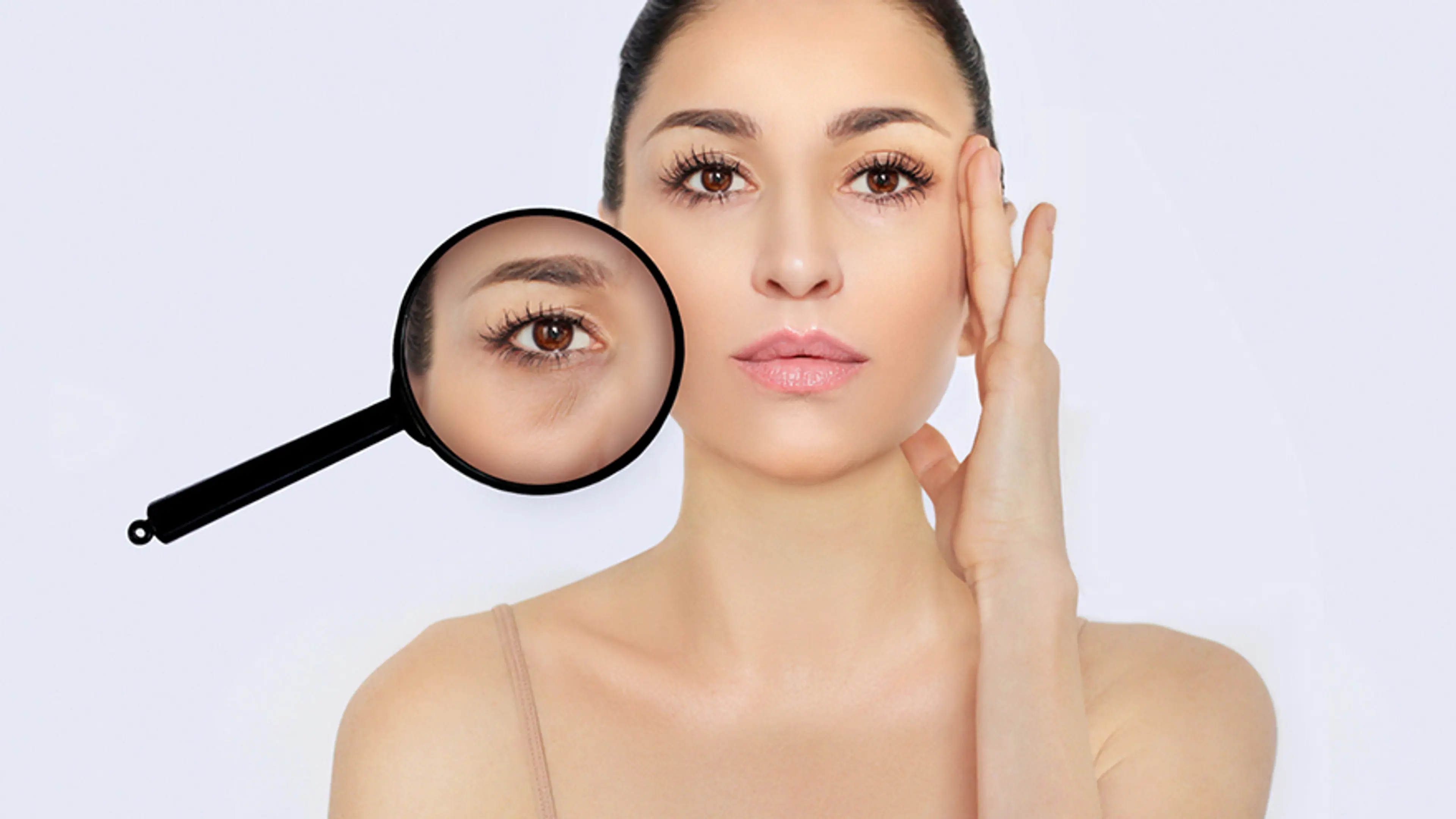
introduction:-the-real-concern-behind-fat-graftingEyelid surgery, also known as blepharoplasty, is a cosmetic procedure designed to address a variety of aesthetic concerns surrounding the eyes, most notably puffiness and under-eye bags. These common issues are often associated with the natural aging process, genetics, or even lifestyle choices such as poor sleep or excessive salt intake. Blepharoplasty can effectively restore a youthful and refreshed appearance by improving both the upper and lower eyelids. In this comprehensive guide, we’ll explore how eyelid surgery works to combat puffiness and bags under the eyes, the benefits, potential risks, and who makes an ideal candidate for the procedure.
Understanding the Causes of Puffiness and Under-Eye Bags
1.-understanding-the-causes-of-puffiness-and-under-eye-bagsBefore diving into how eyelid surgery addresses these issues, it’s essential to understand why puffiness and under-eye bags form in the first place. Both are largely caused by the weakening of structures around the eyes, with fat and skin playing key roles.
Fat Accumulation: Under-eye bags are typically caused by the bulging of fat beneath the lower eyelid. Fat serves as a cushion for the eyeball, but as we age, the muscles and tissues that hold the fat in place begin to weaken. This causes the fat to shift downward and form noticeable bags beneath the eyes. In some cases, this fat can also accumulate in the upper eyelids, contributing to the "hooded" appearance.
Loss of Skin Elasticity: As we age, the skin loses its natural elasticity due to decreased collagen production and environmental exposure (sun damage, smoking, etc.). This leads to sagging skin around the eyes, which is often the cause of puffiness, drooping eyelids, or the appearance of “bags” under the eyes.
Fluid Retention: Temporary puffiness can also occur as a result of fluid retention, which may be linked to lifestyle factors such as high salt intake, lack of sleep, or even allergies. This type of puffiness can often be alleviated with rest and proper hydration, but in some cases, surgical intervention may be needed if it persists.
Genetics: Genetics play a significant role in the appearance of the eyes. Some individuals are genetically predisposed to have excess fat in the under-eye area or loose skin around the eyelids, which can result in earlier and more noticeable puffiness or under-eye bags.
How Eyelid Surgery (Blepharoplasty) Addresses These Issues
2.-how-eyelid-surgery-(blepharoplasty)-addresses-these-issues
Eyelid surgery can be an effective treatment for reducing puffiness and under-eye bags, as well as improving the overall appearance of the eyes. Blepharoplasty can be performed on the upper eyelids, the lower eyelids, or both, depending on the specific needs and goals of the patient. The procedure works by addressing three main concerns:
a. Removal or Repositioning of Fat
a.-removal-or-repositioning-of-fatOne of the primary causes of under-eye bags is the protrusion of fat beneath the lower eyelids. During a lower blepharoplasty, the surgeon may remove, redistribute, or reposition this fat to create a more youthful and balanced appearance. The fat is repositioned to smooth out the bulge, or excess fat is removed entirely if it is contributing to the bags. For many patients, repositioning the fat can produce more natural results and prevent the hollowing effect that may occur if too much fat is removed.
In some cases, fat grafting may also be used, where the surgeon takes fat from another part of the body (typically the abdomen or thighs) to fill hollow areas under the eyes. This technique can restore volume and improve the contour of the under-eye area.
b. Tightening Loose Skin
b.-tightening-loose-skinAs the skin around the eyes ages, it loses its elasticity and may sag, contributing to the appearance of droopy eyelids or puffiness. Blepharoplasty removes the excess skin from both the upper and lower eyelids to tighten and smooth the area. This process is particularly effective for addressing hooded eyelids, where the excess skin may droop over the eyelashes, obstructing vision and creating an older, more fatigued look.
c. Improving Muscle Tone
c.-improving-muscle-toneThe muscles around the eyes support the eyelid structures, but they can weaken over time. Blepharoplasty can include tightening the underlying muscles to provide additional support, improving the appearance of the eyelids and helping to prevent future sagging. This can also help restore a more natural contour to the eyelids and under-eye area.
Benefits of Eyelid Surgery for Puffiness and Under-Eye Bags
3.-benefits-of-eyelid-surgery-for-puffiness-and-under-eye-bags
The results of eyelid surgery can have a dramatic impact on a person’s appearance, providing several aesthetic and functional benefits:
a. A Youthful and Refreshed Appearance
a.-a-youthful-and-refreshed-appearanceBy addressing the sagging skin and fat under the eyes, blepharoplasty can provide a more youthful and refreshed appearance. The removal of excess skin and repositioning of fat can eliminate puffiness, making the eyes appear more open and alert. This can make individuals look significantly younger, as the eyes often show the earliest signs of aging.
b. Improved Vision
b.-improved-visionFor patients with drooping upper eyelids that obstruct vision, eyelid surgery can improve both aesthetics and functionality. In severe cases, the excess skin may impede peripheral vision, and blepharoplasty can help correct this issue by removing the surplus skin, allowing for better sightlines and improved field of vision.
c. Long-Lasting Results
c.-long-lasting-resultsThe results of eyelid surgery tend to be long-lasting, often enduring for five to ten years or more. While the natural aging process continues, many patients find that their eyelid appearance remains significantly improved compared to pre-surgery conditions. Proper skincare and lifestyle habits (such as sun protection) can help prolong the results.
d. Increased Confidence
d.-increased-confidenceMany patients experience a boost in confidence following eyelid surgery. With puffiness and under-eye bags gone, individuals often feel more confident in their appearance, leading to improved self-esteem and a more positive outlook.
Risks and Considerations
4.-risks-and-considerationsLike any surgical procedure, blepharoplasty comes with risks and considerations that should be discussed with a qualified surgeon. Some potential risks include:
Infection or bleeding: Though rare, infections and bleeding are possible after any surgery.
Dry eyes: Some patients may experience dryness or irritation in the eyes post-surgery. This typically resolves over time.
Scarring: Blepharoplasty usually results in minimal scarring, as incisions are made in natural creases (such as along the eyelid fold or lower lash line). However, visible scarring may occur in some cases.
Asymmetry: While the goal is to achieve balanced results, there is a risk of slight asymmetry, though this is uncommon and can be corrected if necessary.
Prolonged healing time: Swelling and bruising are typical post-surgery, and it may take several weeks for the full results to become visible.
Who is a Good Candidate for Eyelid Surgery?
5.-who-is-a-good-candidate-for-eyelid-surgeryIdeal candidates for eyelid surgery are generally individuals who are in good overall health and have realistic expectations about the procedure’s results. Good candidates typically include:
Those experiencing puffiness or bags under the eyes: If you have excess fat or loose skin in the under-eye area, blepharoplasty may be a viable solution.
Individuals with sagging upper eyelids: If your upper eyelids droop and obstruct your vision or create an older appearance, eyelid surgery can help.
Healthy individuals: Blepharoplasty is a safe procedure for people who do not have any serious health issues that could affect healing, such as heart disease or uncontrolled diabetes.
Non-smokers: Smoking can interfere with healing and increase the risk of complications, so it’s generally advised that patients stop smoking before surgery.
Recovery After Eyelid Surgery
6.-recovery-after-eyelid-surgeryAfter blepharoplasty, recovery typically takes 10 to 14 days for most patients, though complete healing may take a few months. During the recovery period, patients should follow their surgeon’s instructions carefully to ensure optimal healing and minimize the risk of complications. Here’s what to expect:
Swelling and bruising: Swelling and bruising around the eyes are common in the first few days following surgery. These typically resolve within 1-2 weeks.
Sutures: If stitches are used, they will usually be removed within 5 to 7 days after surgery.
Pain management: Mild discomfort can usually be managed with over-the-counter pain medications, though your surgeon may prescribe something stronger if necessary.
Follow-up appointments: Post-surgery follow-ups are important to ensure proper healing and address any concerns or complications.
Conclusion
7.-conclusionEyelid surgery, or blepharoplasty, is a highly effective procedure for addressing puffiness, under-eye bags, and other concerns related to aging around the eyes. By removing excess fat, tightening loose skin, and improving muscle tone, blepharoplasty can restore a more youthful, alert appearance that lasts for years. It also has functional benefits, particularly for individuals with obstructed vision due to sagging eyelids.
If you’re considering eyelid surgery, it’s essential to consult with a board-certified plastic surgeon who specializes in facial aesthetics. They can help you determine whether blepharoplasty is the right choice for you and develop a personalized treatment plan to achieve the best possible results. With careful planning, realistic expectations, and appropriate aftercare, eyelid surgery can provide a significant boost to both your appearance and your confidence.