Home / Articles
How Stem Cells Are Used in Non-Surgical Rejuvenation
Home / Articles
How Stem Cells Are Used in Non-Surgical Rejuvenation
As we age, our skin reflects a combination of biological changes and environmental exposure. Collagen and elastin diminish, volume decreases, and our skin's ability to regenerate slows. While traditional aesthetic treatments often target these issues at the surface, stem cell-based therapies aim deeper—treating the underlying cellular aging process itself.
This article explores how stem cells are transforming non-surgical rejuvenation, with insight from regenerative specialists who approach beauty from the inside out. For discerning patients, especially those who seek subtle yet impactful results with minimal downtime, this is a powerful shift in aesthetic philosophy.
Traditional aesthetic approaches often focus on symptom management. Botox softens wrinkles. Fillers replace lost volume. Lasers resurface the skin. But none of these address the root cause: a decline in cellular function and tissue repair.
Stem cells offer something different: the ability to restore the skin's natural regenerative abilities. They don't just cover signs of aging—they help reverse the process by boosting cell renewal, tissue repair, and collagen production from within.
From a clinical perspective, this is crucial. With age, fibroblasts (the cells responsible for producing collagen and elastin) become less active, the extracellular matrix degrades, and blood circulation to the skin diminishes. Stem cells, particularly mesenchymal stem cells (MSCs), have shown the ability to reverse or slow these changes by promoting angiogenesis (new blood vessel formation), stimulating fibroblast activity, and enhancing the dermal structure overall.
In this way, stem cells move the conversation from "anti-aging" to "biological restoration" — which is both more scientifically accurate and more aligned with the desires of patients who want to age gracefully, not unnaturally.
The most common stem cells used in non-surgical rejuvenation include:
Clinically, autologous (patient-derived) sources are preferred for their safety, immunocompatibility, and ethical acceptability. Adipose tissue, easily harvested via mini-liposuction, provides one of the richest and most accessible reservoirs of MSCs in the adult body.
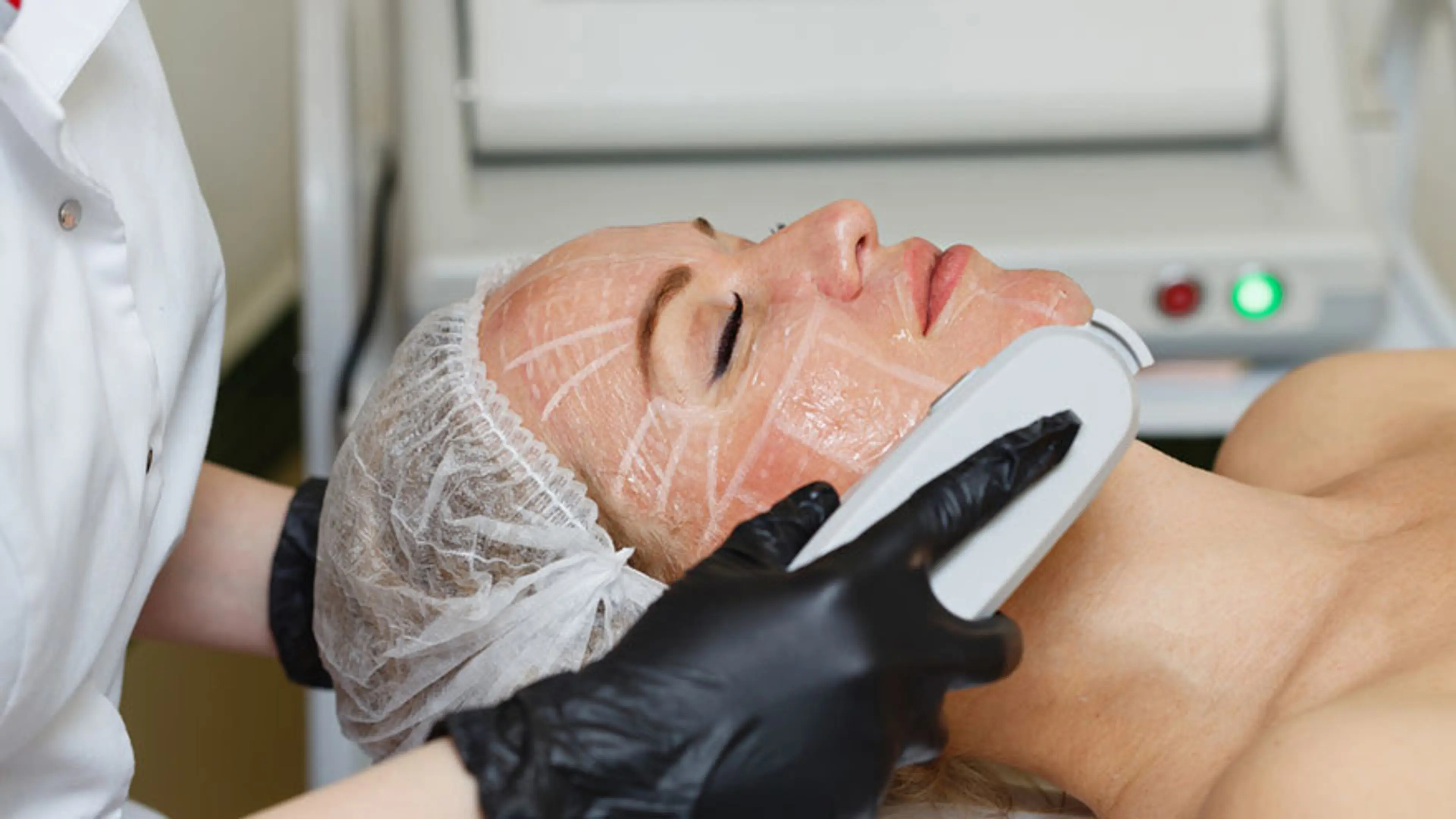
Non-surgical stem cell therapies generally fall into four categories:
Each method offers distinct benefits, and they are often combined for synergistic outcomes. Importantly, they allow patients to rejuvenate without the risks, recovery time, or scarring associated with traditional surgical procedures.
Patients who undergo stem cell-based rejuvenation often report:
In clinical studies, patients typically begin to notice improvements within 3–6 weeks post-treatment, with continued enhancements over 3–9 months. Maintenance sessions once or twice a year may help sustain results.
Moreover, patients often describe their skin as not just looking younger, but feeling healthier—softer, thicker, and more radiant, without the stiffness or puffiness sometimes associated with synthetic materials.
It’s important to distinguish between clinical-grade stem cell therapy and over-the-counter "stem cell creams."
Patients should look for clinics that can explain their sourcing, processing methods, and the specific regenerative compounds used. Transparency and medical supervision are key to avoiding disappointment or harm.
Successful stem cell rejuvenation requires more than just the right ingredients. Technique, handling, and personalization are critical:
The truth is, stem cells are powerful tools—but only in the hands of a skilled, regenerative-focused practitioner. At Yujin, the emphasis on regenerative medicine, combined with 15+ years of precision aesthetic practice, means patients receive care that is biologically sound and artistically refined.
Stem cell-based rejuvenation is ideal for individuals who:
Prefer natural-looking, gradual improvements
Want to avoid surgical downtime
Are looking to improve overall skin quality, not just mask symptoms
Are interested in long-term tissue health and regeneration
These treatments are suitable for both younger patients seeking preventative care and older individuals looking to restore lost vitality. However, results vary depending on age, skin condition, lifestyle, and overall health.
Those with autoimmune conditions, severe chronic illness, or unrealistic expectations of instant transformation should be carefully screened. A thorough consultation is essential to determine suitability and design a treatment plan aligned with biological needs and aesthetic goals.
Stem cell-based rejuvenation represents a shift in aesthetic medicine: from superficial correction to deep, biological renewal. For patients seeking subtle, long-lasting improvements with minimal invasiveness, these therapies offer a future-forward path grounded in cellular science.
At Yujin Plastic Surgery, stem cell therapies are not just treatments—they are part of a broader philosophy of regenerative beauty. With personalized care, advanced techniques like HarvestJet, and Dr. Tae-jo Kang’s one-doctor approach, patients can expect care that respects both science and individuality.
If you’re considering stem cell-based rejuvenation, ask whether your treatment will be handled personally, and if your clinic has the expertise to deliver more than just promises. Or consider Yujin—where regenerative care is both an art and a science, and your results are never rushed or routine.