Introduction
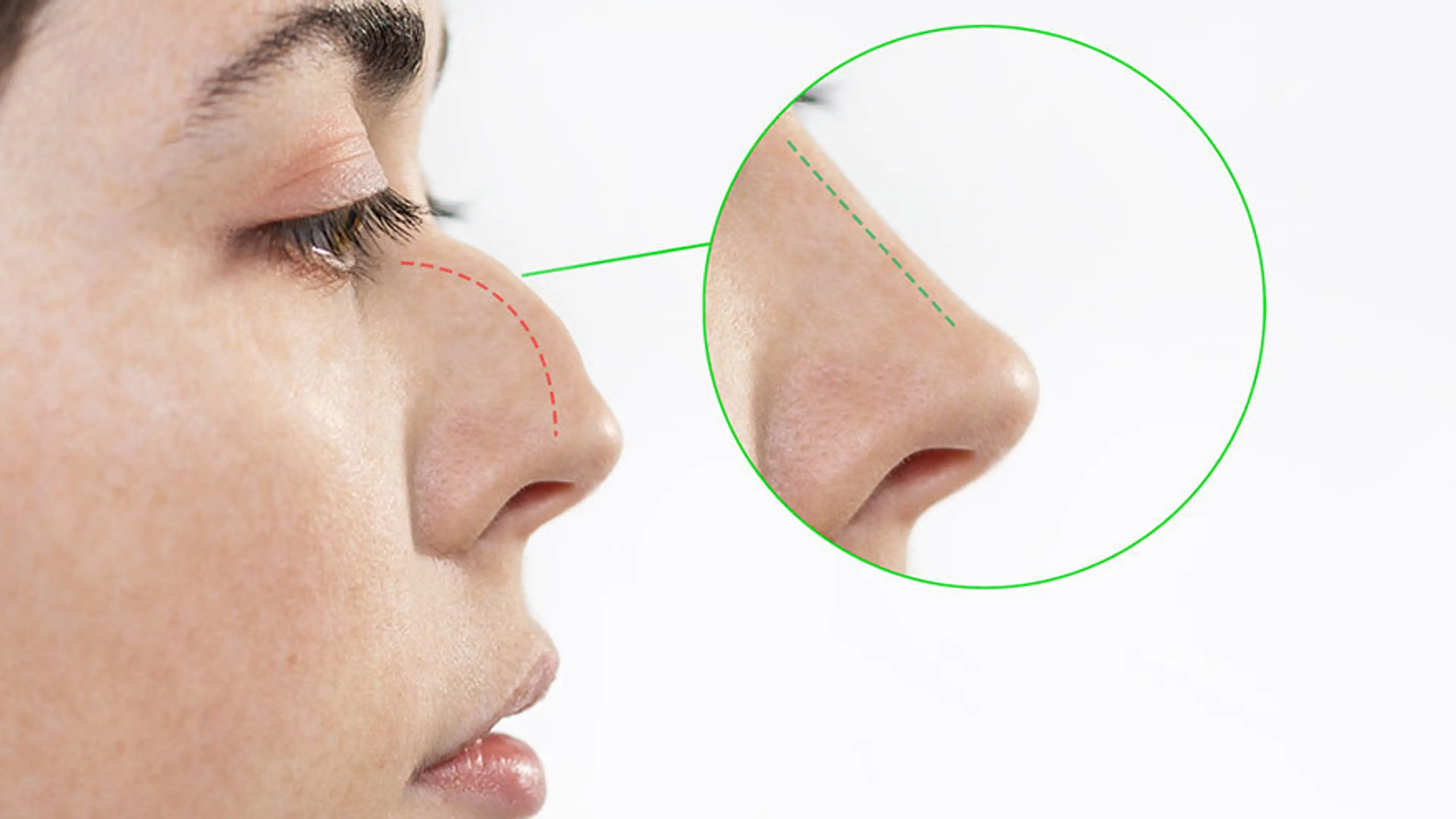
introduction:-the-real-concern-behind-fat-graftingRhinoplasty, or a nose job, is a popular and transformative surgical procedure that can dramatically enhance the shape and definition of the nose. Whether you're looking to reduce a bump, narrow the bridge, refine the tip, or address structural issues such as a deviated septum, rhinoplasty can help you achieve a more harmonious, sleek, and defined appearance. This guide will provide an in-depth look at the steps involved in achieving a defined nose through rhinoplasty surgery, from the initial consultation to post-surgery care.
1. Initial Consultation with a Qualified Surgeon
1.-initial-consultation-with-a-qualified-surgeonThe journey toward a defined nose begins with finding a qualified and experienced surgeon. This consultation is crucial for ensuring your expectations are realistic and that the procedure can be tailored to your unique nasal anatomy.
Medical and Aesthetic Assessment: The surgeon will begin by reviewing your medical history and examining the structure of your nose. Your facial features, breathing issues (if any), and overall aesthetic desires will be taken into account. This includes determining whether your concerns are cosmetic, functional, or a combination of both.
Setting Realistic Expectations: Rhinoplasty can achieve significant changes, but it’s important to discuss realistic expectations. The surgeon will explain what can and cannot be achieved based on your current nasal structure and overall facial proportions.
Digital Imaging & 3D Simulations: Some surgeons use advanced tools like digital imaging or 3D simulations to show potential results. These visual aids help both the patient and surgeon align on the desired outcome. However, it’s essential to understand that these are approximations and may not reflect the final look post-surgery.
2. Assessment of Nasal Structure
2.-assessment-of-nasal-structure
A critical step in rhinoplasty is evaluating the nasal structure to determine which areas need refinement. This process helps the surgeon design the most effective surgical plan.
Bone and Cartilage: The nasal framework is made up of bone and cartilage, both of which may need to be reshaped or adjusted for a sleeker appearance. For a more defined nose, the surgeon may remove or alter the nasal bones or cartilage, depending on your goals.
Nasal Bridge: One of the most common areas addressed in rhinoplasty is the nasal bridge. If you have a hump or irregularities, the surgeon may reduce the size or straighten the bridge. Narrowing the bridge can create a more defined look and improve facial balance.
Nasal Tip: The tip of the nose is another focal point for creating definition. If your tip is bulbous, drooping, or ill-defined, reshaping the cartilage in this area can produce a more refined and elegant appearance. Cartilage grafts may be used to create additional structure or lift in the nasal tip.
Nostrils: If your nostrils are wide or asymmetrical, they may also be reduced or reshaped. This can be achieved through a procedure called alar base reduction, where tissue from the sides of the nostrils is removed to create a more proportional look.
3. Surgical Techniques for a Defined Nose
3.-surgical-techniques-for-a-defined-noseThere are several techniques that a skilled surgeon will use to achieve the sleek, defined nose you desire. These techniques address specific areas of concern such as the bridge, tip, and nostrils.
Osteotomy (Bone Reshaping): For patients with a wide or crooked nose, osteotomy is often employed. This technique involves controlled fracturing of the nasal bones to allow them to be repositioned for a narrower and more symmetrical appearance. Osteotomy is typically used for major adjustments to the nose’s width or alignment.
Cartilage Grafting: In some cases, cartilage grafts are required to support areas like the nasal tip. These grafts can be taken from the septum (the inner part of the nose), ear, or even the rib. Grafting helps create a more defined shape and adds structural support, especially for the tip, which is often the most delicate part of the nose.
Tip Plasty: Tip plasty is a technique used to reshape the nasal tip. Whether you want to reduce a bulbous tip or lift a drooping one, the surgeon may adjust the cartilage or remove excess tissue to create a more refined contour. Grafts can be added for support and definition.
Narrowing the Nostrils: Some patients seek to reduce the width of their nostrils, which can be achieved through alar base reduction. This procedure involves making small incisions at the base of the nostrils to remove excess tissue, narrowing the nostrils to complement the newly shaped nose.
Septoplasty (for Functional Improvements): If you have breathing problems due to a deviated septum, a septoplasty can be performed alongside rhinoplasty. This corrective surgery straightens the septum, improving airflow while also refining the external shape of the nose.
4. Choosing Between Open and Closed Rhinoplasty
4.-choosing-between-open-and-closed-rhinoplastyRhinoplasty can be performed using either an open or closed technique. The choice of technique depends on the complexity of the changes required and the surgeon's preference.
Closed Rhinoplasty: In this technique, all incisions are made inside the nostrils, so there are no visible external scars. It is generally used for patients who need minor refinements to the nose, such as smoothing the bridge or adjusting the nostrils. Recovery time tends to be faster with closed rhinoplasty because there’s less trauma to the nasal tissues.
Open Rhinoplasty: This technique involves an incision across the columella (the tissue between the nostrils), which allows the surgeon better access to the underlying structures of the nose. Open rhinoplasty is typically used for more complex procedures where significant changes are needed, such as reshaping the tip or correcting a crooked nose. While there is a visible incision, it typically fades over time and is well-hidden once healing is complete.
5. Post-Surgery Recovery and Healing
5.-post-surgery-recovery-and-healing
After rhinoplasty, patients can expect some degree of swelling, bruising, and discomfort as the body begins the healing process. The recovery timeline can vary, but understanding the stages of healing will help you manage expectations.
Swelling and Bruising: It’s common for swelling and bruising to occur, especially around the eyes and nose. Most of the swelling subsides within a few weeks, though residual swelling may last for several months. The full final shape of the nose can take up to a year to fully emerge.
Pain Management: Post-surgery pain is typically manageable with prescribed pain medication. Your surgeon will provide guidance on how to minimize discomfort and prevent complications during the healing process.
Recovery Timeline: Most patients can return to work or light activities within 1-2 weeks. However, strenuous activities and heavy exercise should be avoided for at least six weeks. Full recovery and the final result may take several months to fully appear as the swelling continues to subside.
Follow-Up Care: Regular follow-up appointments are necessary to monitor the healing process and ensure the results align with your expectations. These visits give the surgeon a chance to check the nose’s healing and address any concerns you may have.
6. Maintaining Your Results
6.-maintaining-your-resultsTo ensure the longevity of your results and protect your newly defined nose, certain precautions must be taken during the healing period and beyond.
Sun Protection: After surgery, it’s crucial to protect your nose from direct sunlight, as sun exposure can cause pigmentation changes or swelling. Always apply a broad-spectrum sunscreen to your nose when you go outside and try to avoid prolonged sun exposure for at least a year after surgery.
Avoiding Physical Trauma: During the early stages of recovery, it’s important to avoid any activities that could potentially injure your nose, such as contact sports or excessive physical strain. The nose will be more vulnerable during the healing period, and trauma could affect the final results.
Conclusion
conclusionRhinoplasty is a highly effective surgical solution for achieving a sleek, defined nose that enhances facial symmetry. Whether you’re seeking cosmetic changes, such as narrowing the bridge, lifting the tip, or refining your nostrils, rhinoplasty can significantly improve your appearance. By carefully considering your aesthetic goals, consulting with a skilled surgeon, and following post-operative instructions, you can enjoy a nose that complements your features and boosts your confidence.