Introduction
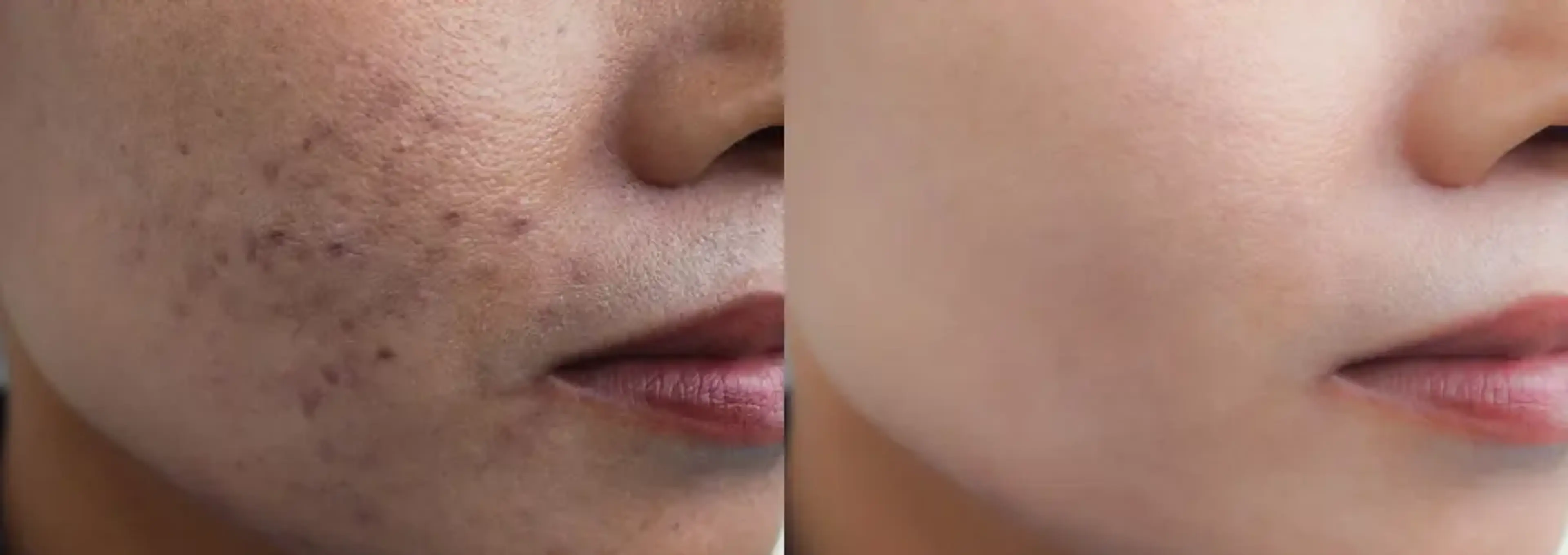
introduction:-the-real-concern-behind-fat-graftingRough skin texture and visible pores are among the most common skin concerns, especially in Korea, where patients often value smooth, refined, and natural-looking skin above dramatic cosmetic changes. While genetics set your baseline skin type, daily habits, environmental stressors, and the aging process all play a role in how smooth or uneven your skin appears.
Common Causes of Rough Skin Texture:
common-causes-of-rough-skin-texture:Excess Oil & Clogged Pores: When sebum production is high, pores become clogged with oil, dead skin cells, and external pollutants. This buildup stretches the pore walls and can lead to visible enlargement.
Collagen Loss: With age and sun damage, the dermal support structure made of collagen and elastin weakens, allowing pores to “fall open” and making skin appear thinner and rougher.
Inflammation & Scarring: Acne, especially when untreated or picked at, can lead to permanent textural irregularities like rolling or boxcar scars.
Environmental Damage: UV rays, fine dust, and pollution accelerate skin aging, disrupt the barrier, and contribute to both pigment irregularities and a rough surface.
Improper Skincare: Using overly harsh cleansers, neglecting sunscreen, or over-exfoliating can compromise the skin barrier, triggering irritation and worsening texture.
Texture issues are rarely the result of a single factor—usually it's a combination of aging, oil production, external stressors, and skincare missteps. This is why a holistic and layered treatment strategy tends to be the most effective.
Foundation: At-Home Skincare for Texture and Pores
foundation:-at-home-skincare-for-texture-and-poresBefore considering procedures or injectables, a consistent and targeted skincare routine lays the essential groundwork for long-term improvement. Many patients underestimate the compounding effect of simple daily habits.
Core Skincare Strategies:
core-skincare-strategies:Cleansing: Use a non-stripping, pH-balanced cleanser that removes excess oil and impurities without dehydrating the skin. Over-cleansing can cause rebound oil production.
Exfoliation: Incorporate gentle chemical exfoliants like AHAs (glycolic, lactic acid), BHAs (salicylic acid), or PHAs. These promote skin turnover and unclog pores without abrasive physical scrubs.
Retinoids: These vitamin A derivatives are gold-standard ingredients that help normalize cell turnover, unclog pores, and stimulate collagen. Prescription-strength retinoids are more potent but require proper usage and skin adaptation.
Niacinamide: A form of vitamin B3, niacinamide is clinically shown to reduce pore visibility, strengthen the barrier, and soothe inflammation.
Hydration: Look for products with hyaluronic acid, ceramides, and panthenol to keep the skin barrier intact and resilient. Dehydrated skin can appear dull and rough.
SPF: Daily broad-spectrum sunscreen protects against UV-induced collagen breakdown, pigmentation, and accelerated texture aging. This step is critical in any texture-focused routine.
Building this skincare foundation often leads to visible improvements within 6 to 12 weeks. At Yujin, we recommend using this period as a ‘priming phase’ before moving on to in-office treatments.
Professional Treatments to Improve Skin Texture
professional-treatments-to-improve-skin-texture
When skincare alone isn’t enough, in-office dermatologic or aesthetic procedures can significantly improve skin texture and minimize pores. The goal is to stimulate collagen, resurface damaged skin layers, and restore elasticity.
1. Chemical Peels
1.-chemical-peelsHow it Works: A chemical solution is applied to exfoliate and remove damaged outer layers of skin, triggering regeneration.
Best For: Sun damage, rough patches, dullness, superficial pigmentation.
Downtime: Varies from light flaking (superficial peels) to full peeling and redness (medium to deep peels).
Clinical Insight: At Yujin, we often combine superficial peels with regenerative therapies like growth factors or stem cell boosters to enhance healing and reduce downtime.
2. Microneedling / RF Microneedling
2.-microneedling-rf-microneedlingHow it Works: Controlled micro-injuries trigger a healing response that builds new collagen and elastin. RF microneedling adds radiofrequency energy to enhance tightening.
Best For: Acne scars, mild laxity, and uneven skin texture.
Downtime: Mild redness and swelling for 1–3 days; makeup can usually be resumed within 24–48 hours.
Clinical Insight: RF microneedling is especially effective for patients in their 30s–40s looking for subtle tightening and refined texture without aggressive resurfacing.
3. Laser Resurfacing
3.-laser-resurfacingHow it Works: Fractional or ablative lasers remove or heat targeted skin zones to remodel collagen and resurface irregularities.
Best For: Deep wrinkles, hypertrophic scars, moderate-to-severe rough texture.
Downtime: Moderate to high depending on the laser intensity. Redness, swelling, and peeling are expected.
Clinical Insight: At Yujin, we carefully assess skin thickness and tone to avoid post-inflammatory hyperpigmentation, especially in Fitzpatrick III–V skin types common in Korea.
4. Energy-Based Devices (RF, Ultrasound)
4.-energy-based-devices-(rf-ultrasound)How it Works: These devices deliver thermal energy to the dermis, stimulating neocollagenesis and tightening surrounding tissues, which can reduce pore stretch.
Best For: Mild-to-moderate skin laxity, enlarged pores, or early sagging.
Downtime: Minimal; patients can often return to work the same day.
Clinical Insight: Ultrasound-based treatments like Ultherapy can be combined with microneedling to address both depth and surface irregularities.
5. Skin Boosters
5.-skin-boostersHow it Works: Microdroplet injections of low-viscosity hyaluronic acid directly into the dermis hydrate the skin, improve elasticity, and enhance radiance without changing facial volume.
Best For: Dullness, early aging, fine lines, and minor texture issues.
Downtime: Low; may experience minor redness or pinpoint swelling.
Clinical Insight: Skin boosters are particularly popular among Korean patients seeking natural, dewy skin (“chok-chok”) without fillers or downtime.
How Fillers Help Improve Texture
how-fillers-help-improve-texture
While fillers are traditionally associated with volume enhancement, they also play a key role in improving skin texture when used correctly. At Yujin, filler techniques are customized based on both structural needs and dermal quality.
Key Uses:
key-uses:Scar Lifting: Rolling or atrophic acne scars can be subtly elevated with precise filler placement, smoothing the skin surface.
Skin Boosters: These are technically fine-grade HA fillers, injected intradermally to hydrate and plump the dermis. Products like Juvéderm Volite or Skinvive are designed for this purpose.
Structural Support: As skin loses its scaffolding with age, targeted mid-face or cheek volume restoration can reduce sagging, which otherwise exaggerates pores and texture irregularities.
Collagen Stimulators: Bio-stimulatory injectables like poly-L-lactic acid (e.g., Sculptra) gradually stimulate your body’s own collagen production, improving skin texture over several months.
Clinical Caveats:
clinical-caveats:Overfilling can worsen texture, especially if placed too superficially.
Filler must be placed with anatomical precision—ideally by a physician with strong artistic and regenerative understanding.
At Yujin, we use ultrasound-guided injection when necessary to ensure safety and accurate placement, particularly around scarred or thinned skin.
Yujin Plastic Surgery’s Approach: Safety, Subtlety, and Strategy
yujin-plastic-surgery's-approach:-safety-subtlety-and-strategyAt Yujin, skin texture treatments are never one-size-fits-all. Dr. Tae-jo Kang—an expert in autologous fat grafting and regenerative aesthetics—takes an integrative approach grounded in both dermatology and plastic surgery principles.
Patients benefit from a unique one-doctor system, meaning all procedures from assessment to treatment to follow-up are performed by Dr. Kang himself. This continuity ensures consistency in technique, safety, and aesthetic direction.
A Sample Plan Over 3–6 Months:
a-sample-plan-over-3-6-months:Month 1: Skin analysis with VISIA imaging. Begin medical-grade skincare: gentle cleanser, SPF, niacinamide, retinal or retinoid. Optional light chemical peel to jumpstart turnover.
Month 2: Introduce RF microneedling or non-ablative laser. Add skin booster injections for hydration and micro-collagen induction.
Month 3: Evaluate for textural scars. Consider focal filler for scar lifting or mid-face support to reduce structural texture shadows.
Month 4–5: Repeat microneedling or perform a second round of skin boosters. Incorporate regenerative serums post-treatment.
Month 6+: Maintenance phase: periodic peels, additional boosters every 4–6 months, and continued skincare to preserve results.
Realistic Expectations & Risks
realistic-expectations-and-risksImproving skin texture is an ongoing journey. While professional treatments can yield impressive results, patient education is key:
Genetics: Set the baseline for pore size and oil production.
Maintenance: Texture improvements require consistent skincare and periodic treatments.
Overuse of Fillers: Can lead to unnatural contours, especially around mobile facial areas.
Post-Procedure Risks: Include bruising, infection, pigment changes, or scarring if improperly performed.
At Yujin, we believe that subtle, steady changes—guided by medical expertise—lead to the most satisfying and sustainable outcomes.
Final Thought
final-thoughtIf smoother, more refined skin is your goal, begin by strengthening your skin from within—then choose treatments that complement your biology, not override it.
For patients seeking subtle, science-backed care, Yujin Plastic Surgery offers expert-guided plans using skin boosters, microneedling, and advanced filler techniques—all under the care of a single, experienced physician.
Considering texture treatments? Ask who will perform them—or consider a one-doctor clinic like Yujin for care that stays personal.