Home / Articles
Nose Bridge Surgery: How It Transforms Your Profile
Home / Articles
Nose Bridge Surgery: How It Transforms Your Profile
Have you ever looked at your side profile and felt something was missing? For many—especially those of East Asian descent—a low or undefined nasal bridge can make the face appear flatter or less structured. Glasses may slip, the nose may look wider from the front, and the overall facial balance might feel slightly off. What many don’t realize is that a focused procedure on the bridge of the nose can create subtle but transformative changes. At Yujin Plastic Surgery in Gangnam, we specialize in delivering these changes naturally and safely through precision nose bridge surgery.
A well-designed nasal bridge doesn’t draw attention to itself; it simply allows the rest of the face to look more harmonious. It brings focus to the eyes, creates definition across the midface, and can subtly enhance perceived height and elegance. This kind of nuanced transformation is exactly what we aim to achieve at Yujin—no exaggerated changes, just refinement with purpose.
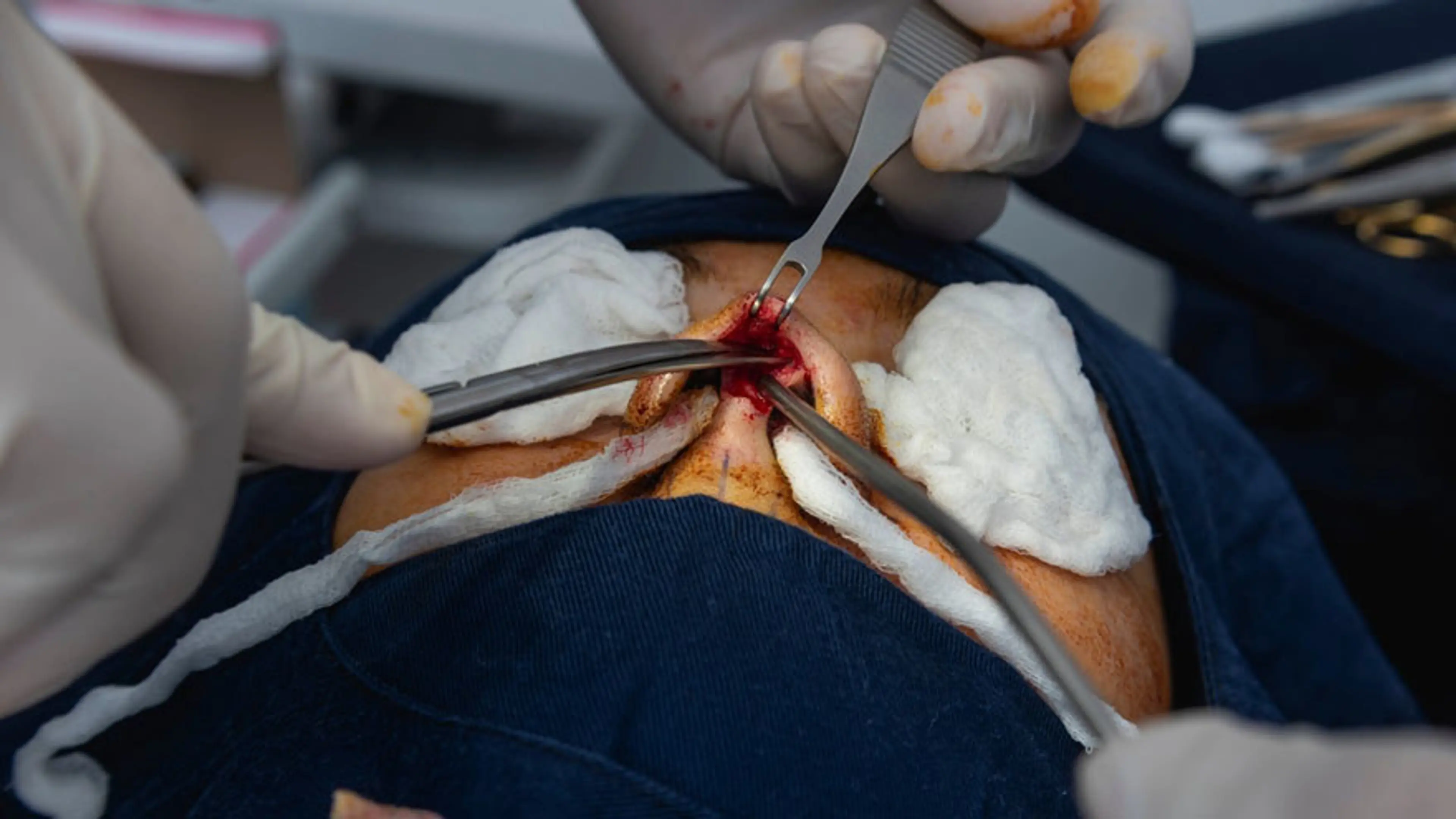
Nose bridge surgery is a form of rhinoplasty that focuses on augmenting and refining the nasal dorsum—the upper portion of the nose between the eyes. Unlike full rhinoplasty, which often involves reshaping the nasal tip and nostrils, bridge surgery specifically enhances the height and definition of the bridge to improve profile harmony and facial balance.
Targets the nasal dorsum and upper bridge
Often involves augmentation, especially in Asian patients
Aims for a natural, balanced enhancement
Can be performed alone or with tip refinement
This procedure is particularly common in East Asian countries, where the natural nasal anatomy often includes a lower nasal root and flatter dorsum. While these features are entirely normal and beautiful in their own right, some patients choose to enhance the bridge for improved facial definition and confidence.
Bridge augmentation does not alter identity; rather, it enhances clarity and flow in facial proportions. It’s like adjusting lighting in a photograph—suddenly, all the other features come into better focus.
At Yujin, our patients typically seek nose bridge surgery for the following reasons:
Dr. Tae-jo Kang leads every procedure under our one-doctor system. From consultation to surgery to follow-up, patients receive uninterrupted care and surgical consistency, which results in more predictable outcomes and fewer revision cases.
Dr. Kang combines artistic sensitivity with surgical precision. As a pioneer in autologous fat grafting and regenerative aesthetics, he approaches every rhinoplasty with a focus on tissue quality, long-term integration, and facial harmony. Patients often remark on the comfort of knowing their surgeon sees the whole picture—not just their nose, but their character, concerns, and lifestyle.
A detailed consultation includes:
High-resolution imaging and simulation
Discussion of personal goals and cultural expectations
Review of nasal function and breathing history
We tailor every plan based on the patient’s skin type, soft tissue volume, and previous surgical history (if any). The aim is to create a bridge height and contour that fits the whole face.
At Yujin, we provide a thorough explanation of the pros and cons of each method. In many cases, a hybrid approach is used: for example, autologous cartilage is used for the tip, while a shaped silicone implant is placed along the dorsum.
Recovery is relatively manageable, especially when the bridge is the primary focus. Here is a typical healing timeline:
Custom taping and dressing tutorials
Anti-inflammatory laser therapy (if needed)
Scar management protocols (for open approach)
Detailed do’s and don’ts: e.g., no sleeping face-down, no sauna use, avoid direct sun exposure
A good result is one that blends seamlessly into the face—not one that calls attention to itself.
In our experience, many revision surgeries stem from overly aggressive augmentation or poor implant selection. By prioritizing anatomical respect and aesthetic restraint, we reduce those risks from the beginning.
No surgery is without risks, but with careful planning and expert technique, complications are rare.
Infection, especially with synthetic materials
Implant visibility or migration
Asymmetry or overcorrection
Scarring (for open approach)
Prolonged swelling or numbness
Skin thickness plays a major role. Thick skin may require more support for definition; thin skin needs careful implant design to avoid visible edges.
Healing is dynamic. The final result often takes months to fully mature.
Lifestyle habits matter. Wearing heavy glasses too early, not following aftercare, or overexposing the nose to sun or heat can affect outcomes.
You may be a strong candidate for nose bridge surgery if:
Your nasal bridge is low or flat in profile or lacks definition from the front
You want natural enhancement that complements your existing features
You prefer consistent care with one experienced surgeon
You understand that subtle changes can yield dramatic improvements in balance and confidence
During consultation, we guide you through simulations and reference cases to ensure you understand the possibilities—and the limitations. We believe in realistic goals that age well.
Nose bridge surgery isn’t about reinventing your face. It’s about creating balance, structure, and natural beauty that complements who you are. At Yujin, we combine artistry with advanced medical technique to deliver results that feel authentic and enduring.
If you’ve been considering subtle facial rejuvenation, especially of the nose, it may be time to explore what a continuity-focused, one-doctor clinic like Yujin can offer. Have more questions? We’re here to help you decide what’s truly right for your face and your future.