Home / Articles
Revision Nose Surgery: Improving Unsatisfactory Results
Home / Articles
Revision Nose Surgery: Improving Unsatisfactory Results
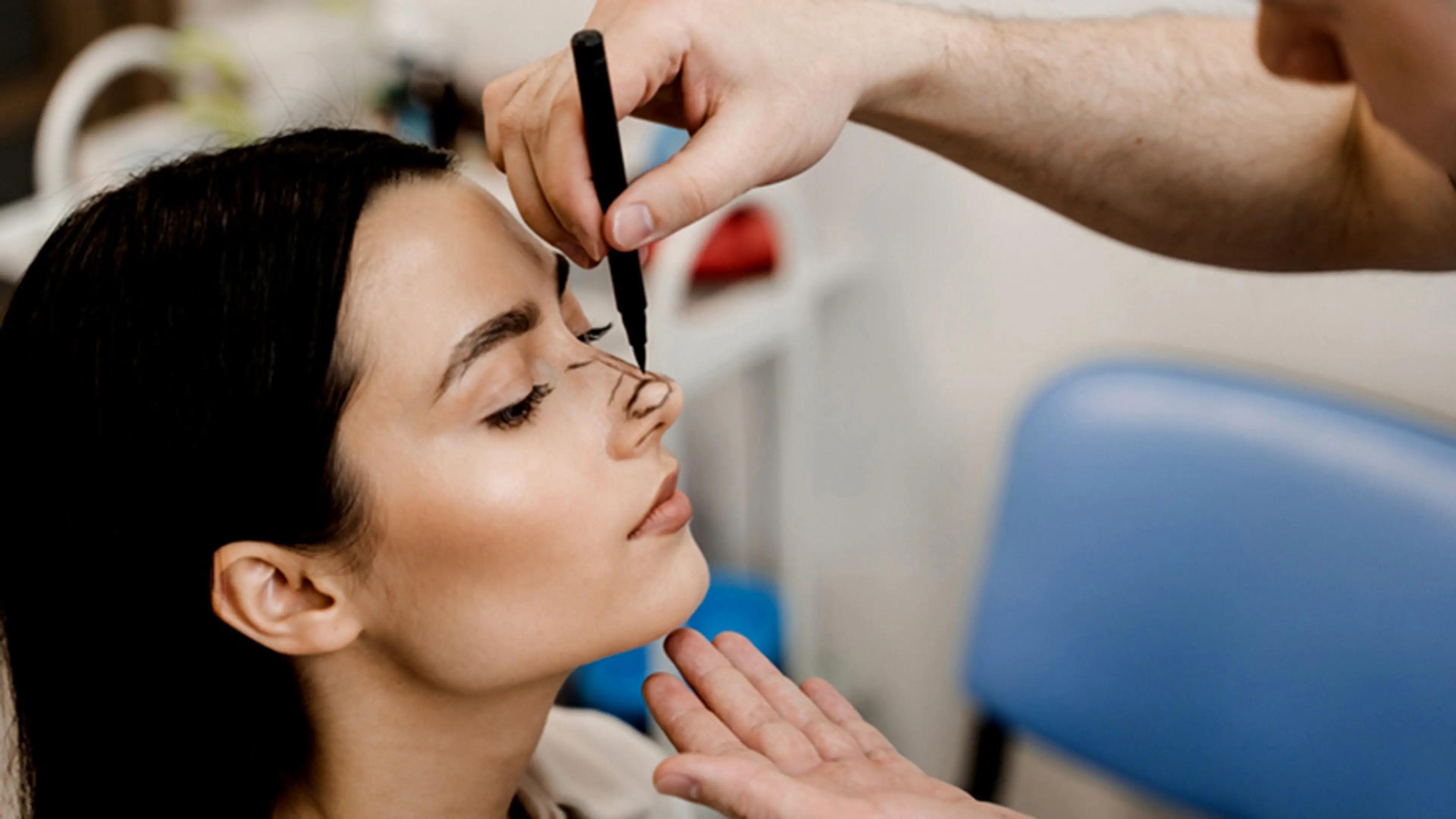
At Yujin Plastic Surgery & Dermatology in Gangnam, Seoul, we often see patients who come not for their first rhinoplasty, but for a second chance. If your initial nose surgery left you with a result that feels off—visually or functionally—revision rhinoplasty can be the step forward. Whether you’re struggling with a tip that looks too sharp, a bridge that has collapsed, or persistent breathing issues, revision isn’t just about redoing what was done. It’s about restoring harmony, confidence, and comfort.
Revision rhinoplasty, or secondary nose surgery, is a corrective procedure performed after a previous rhinoplasty has not delivered the desired results. Unlike a primary rhinoplasty, revision procedures are far more complex due to scar tissue, altered anatomy, weakened support structures, and often psychological factors tied to patient disappointment.
At its core, revision rhinoplasty addresses both:
It may also involve revision of previous grafts or implants, correction of over-reduction or over-projection, and improvements to nasal valve function. Revision procedures demand a tailored approach and experienced surgical hands.
Patients seek revision for many reasons, but the most common include:
In South Korea, many patients also seek revision because of cultural expectations for subtle, natural-looking changes. Yujin is especially focused on outcomes that respect facial harmony and avoid the artificial or overdone appearance.
Secondary rhinoplasty is not simply a repeat of the first. Several factors raise the complexity:
Previous surgery creates scar tissue, which alters skin elasticity, reduces blood supply, and makes dissection more challenging. This is especially true if the patient had multiple revisions or complications such as infection or implant exposure.
Implants may have damaged or displaced cartilage. Supporting structures are often weakened or distorted. Structural reconstruction is typically necessary to restore both shape and function. Patients with collapsed bridges or drooping tips often need cartilage grafting to rebuild support.
Septal cartilage may have already been used, requiring grafts from alternative donor sites such as the ear (conchal cartilage) or rib (costal cartilage). While ear cartilage is softer and more suitable for tip refinement, rib cartilage offers the strength needed for major structural support.
Healing in revision cases is less predictable. Swelling can last longer, and scar formation may be more prominent. Thin or damaged skin may not drape smoothly over the new structure, especially if implants were previously overused.
These complexities make it essential to choose a clinic with deep experience in managing revisions—not just primary cases. At Yujin, we approach every revision with surgical humility and precise diagnostics.
At Yujin, revision procedures are approached with the highest level of precision, caution, and artistry. Here’s what sets us apart:
From consultation to surgery to follow-up, Dr. Tae-jo Kang personally manages your care. This direct involvement minimizes miscommunication, reduces revision risk, and ensures surgical consistency. You are not passed from one doctor to another, which is often a hidden cause of poor revision outcomes.
Though best known for fat grafting and body contouring, Dr. Kang applies his regenerative expertise to revision rhinoplasty. We prioritize healthy tissue integration, careful grafting, and minimal trauma techniques to promote better healing. For patients with compromised skin or previous complications, our regenerative approach can enhance recovery and long-term results.
Our goal is not dramatic change, but balanced refinement. Many revision patients come to Yujin seeking a return to a more natural look after feeling overdone elsewhere. We respect each patient’s facial balance and cultural beauty standards.
Every revision case at Yujin begins with a thorough evaluation:
Review of past procedures, techniques used, graft or implant materials, recovery timeline, and complications.
We assess prior operative reports if available to fully understand what was done.
Examination of internal and external nasal structures, skin quality, scar tissue, implant or graft status.
Nasal airflow is evaluated through physical exam and, if needed, imaging or endoscopy.
Honest discussion of desired outcomes, limitations, and realistic expectations.
Patients are encouraged to bring reference images or previous photos that reflect their goals.
We determine whether a single-stage or staged approach is safest.
Autologous grafting using ear or rib cartilage is often planned when structural reinforcement is needed.
We prioritize structural support and functional integrity over superficial enhancement.
Depending on the issue, several surgical steps may be involved:
Each of these steps requires technical precision and careful artistic judgment. Dr. Kang uses a low-trauma, preservation-first technique to protect blood flow and reduce swelling.
Revision cases often heal more slowly than primary ones:
We provide custom recovery plans including scar therapy, anti-swelling protocols, and follow-up monitoring. In complex cases, healing can continue evolving for 12–18 months.
Revision rhinoplasty carries its own set of challenges:
That said, with a precise and cautious approach, most patients at Yujin report significant improvements in both appearance and breathing. Success depends heavily on preoperative planning, surgical technique, and postoperative care.
Dr. Kang's regenerative background and surgical artistry make him particularly well-suited for revision scenarios where detail and discretion matter most. Patients often come to Yujin after multiple unsatisfactory surgeries elsewhere, finding comfort in our methodical, respectful approach.
If your previous nose surgery left you feeling disappointed, overly altered, or simply not yourself, revision rhinoplasty may help you move forward. At Yujin, we focus on restoring not just the shape of your nose, but your trust in what plastic surgery can achieve when done with care.
Schedule a consultation to learn whether a revision is right for you. We’ll walk you through your options honestly—and help you envision a more harmonious, functional result that truly fits your face.