Introduction
introduction:-the-challenge-of-aging-gracefully-in-a-fast-paced-worldWhy some fat transfers look great for years — and how stem cells make the difference
When a patient first walks into my clinic asking about fat transfer, one thing they almost always say is some variation of: “I want results that last.” Not six months. Not just until summer. Years. Longevity. Stability. Predictability.
That’s where the science of stem cells intersects with the art of fat grafting.
To be honest, most people think of fat transfer as simply “moving fat from one place to another.” But what many don’t realize is that fat isn’t just filler — it’s living tissue made up of adipocytes (fat cells), connective tissue, blood vessels, and a rich population of regenerative cells, including stem cells. And those regenerative cells are the secret ingredient behind why some fat grafts thrive long-term while others shrink away.
In this article, we’ll explore what stem cells actually do in a fat transfer, how they improve longevity, and why the method of harvesting and processing really matters — especially when you’re seeking natural, enduring results.
Understanding Fat Transfer: A Living Tissue, Not a Simple Fill
understanding-fat-transfer:-a-living-tissue-not-a-simple-fillWhen we talk about a fat transfer (also called fat grafting or autologous fat transfer), we’re describing a three‑step process:
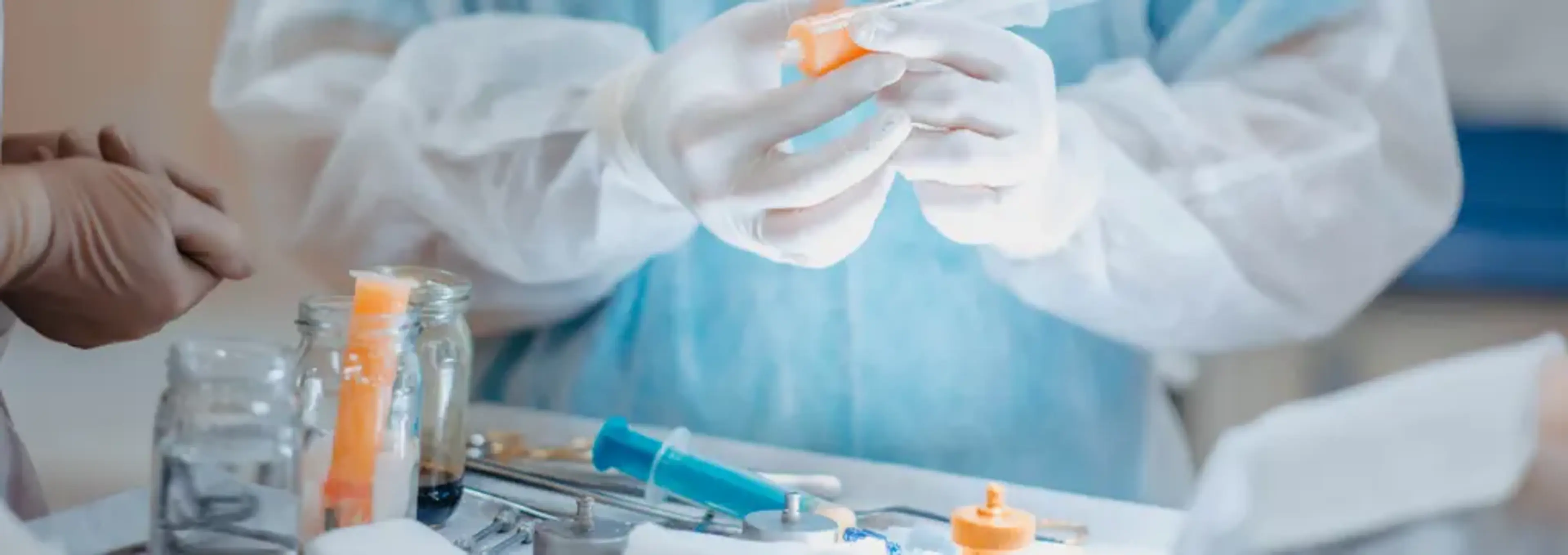
Harvest: Fat is gently removed from donor areas (often abdomen, thighs, flanks) using techniques that protect the cells.
Processing: The fat is purified — getting rid of fluids, oils, and damaged cells — and concentrated for transfer.
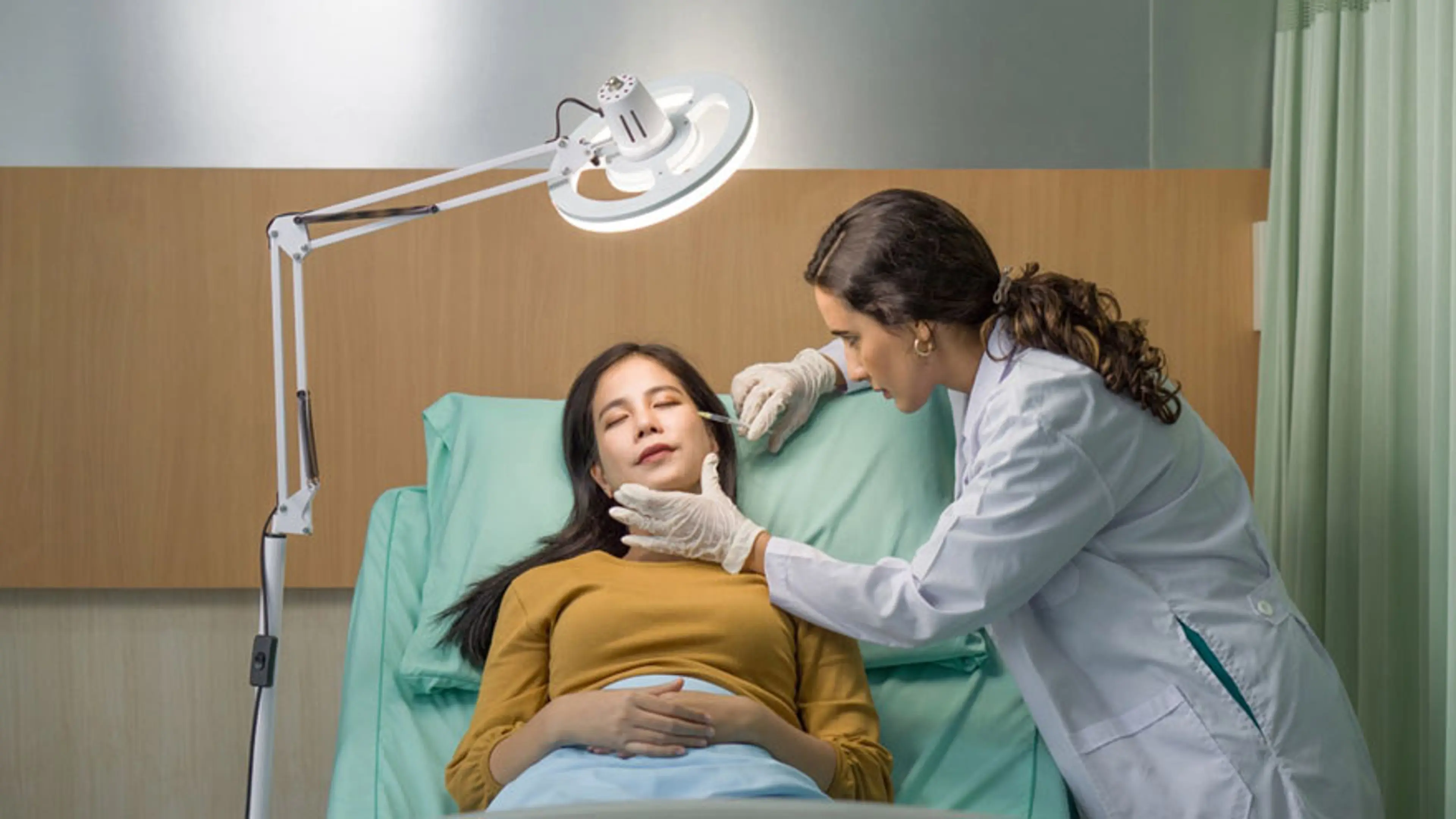
Injection: The prepared fat is placed into the target area through precise layering.
What many clinics don’t emphasize enough is that fat survival isn’t automatic. When fat is transplanted, it must re‑establish blood supply, integrate with surrounding tissues, and avoid cell death (necrosis). If the environment isn’t supportive or the cells aren’t robust, the graft shrinks — sometimes significantly — over months.
This is where the stem cell component becomes crucial.
What Happens to Fat After Transplant
what-happens-to-fat-after-transplantImagine you’ve just planted seeds in your garden. Some seeds fall into rich soil with sunshine and water — they sprout and flourish. Others land on rock or dry dirt — they wither.
Fat grafting is similar. After we inject the fat:
A portion of fat cells lose immediate blood supply.
Cells need to survive a period of ischemia (limited oxygen) until new capillaries grow in.
If they don’t adapt quickly, they die off.
Dead fat can lead to lumps, oil cysts, or volume loss.
The challenge in long‑term fat graft survival is ensuring enough cells survive and integrate to maintain the desired volume and contour.
This is where the regenerative component of fat — specifically the stem cells — plays a key role.
Why Stem Cells Matter: More Than Just Good Cells
why-stem-cells-matter:-more-than-just-good-cells
Fat is rich in something called the stromal vascular fraction (SVF) — a mix of cells that includes:
Among these, adipose‑derived stem cells (ASCs) are particularly interesting. They have the ability to:
Support new blood vessel formation (angiogenesis)
Without timely blood supply, transplanted fat cells starve. ASCs secrete growth factors that stimulate capillary formation, helping more fat cells survive.
Modulate inflammation and healing
Excess inflammation after grafting can harm cell survival. Stem cells help temper inflammation and promote a smoother integration.
Differentiate into adipocytes
While most transplanted fat cells are mature adipocytes, stem cells can become new adipocytes if needed, helping preserve volume over time.
Improve tissue quality and elasticity
Patients often notice not just volume gain, but better skin texture and firmness when regenerative cells are abundant.
In essence: Stem cells create a more supportive microenvironment for graft survival. They act like caretakers, signaling for blood flow, calming stress responses, and helping tissues adapt.
Harvesting Matters: Quality Over Quantity
harvesting-matters:-quality-over-quantityAt Yujin Plastic Surgery, we’ve long emphasized that how fat is harvested influences stem cell integrity.
Some common pitfalls with conventional liposuction‑style harvesting:
These factors damage not only mature fat cells but also the sensitive stromal cells and stem cells we want to preserve.
A more thoughtful approach — gentle aspiration, low‑pressure techniques, and immediate processing — preserves the regenerative cell population. Trained hands and refined tools make the difference between fat that survives and fat that doesn’t.
An analogy I often use with patients is this:
“If you want seeds to sprout, you wouldn’t throw them around roughly and hope for the best. You’d plant them gently in nourishing soil.”
It’s the same with fat grafts. The more we respect the tissue in harvest and processing, the more cells — including stem cells — remain viable.
Processing: Protecting the Regenerative Core
processing:-protecting-the-regenerative-coreOnce fat is harvested, the next step is processing. Many clinics simply centrifuge fat quickly or wash it without much thought. But cruder processing can:
At Yujin, we use protocols and systems designed to maximize retention of viable adipocytes and regenerative cells while eliminating what the body doesn’t need. The goal isn’t to purify everything — it’s to preserve the right components in their healthiest state.
Here’s what effective processing supports:
More viable transplanted cells
Higher concentrations of regenerative elements
Cleaner graft material for smoother integration
The difference isn’t just theoretical — patients experience it in results that endure.
Longevity: What Research and Experience Suggest
longevity:-what-research-and-experience-suggest
Clinical and laboratory evidence increasingly shows that:
Fat grafts with richer stem cell fractions have higher survival rates.
Angiogenic signals from stem cells support faster vascular ingrowth.
Patients report more predictable volume retention when regenerative techniques are used.
Here’s a key point many patients overlook: Volume retention isn’t just about how much fat you inject. It’s about how many of those injected cells survive long term.
Two patients may receive the same volume of fat, but the one whose fat graft has:
Higher stem cell content,
Gentler harvest and processing,
Optimal placement technique
…will almost always have superior and longer‑lasting results.
This is why, in my practice, I don’t chase big numbers of injected volume alone — I focus on quality, integration, and regeneration.
Stem Cell‑Enriched Fat Graft vs Standard Fat Transfer
stem-cellenriched-fat-graft-vs-standard-fat-transferYou may hear terms like “stem cell‑enriched fat graft” or “cell‑assisted lipotransfer (CAL).” These approaches try to amplify the regenerative component of the graft, either by:
Concentrating stem cells from the same fat sample, or
Adding back regenerative cells to increase the ASC count before injection.
At Yujin, we consider both the baseline regenerative quality of the tissue and the patient’s specific goals before deciding on the best method. It’s not one‑size‑fits‑all.
What’s important is this:
Increasing the regenerative potential of the graft generally supports better vascularization, higher survival rates, and more stable long‑term results.
That’s why understanding not just “how much fat” but “how healthy that fat is” matters.
Beyond Longevity: The Subtlety of Natural Integration
beyond-longevity:-the-subtlety-of-natural-integrationOne striking outcome many patients notice — and often don’t expect — is that regenerative fat grafts don’t just last — they look natural.
Why?
Because as the transplanted tissue integrates:
It melds with native structures
It responds to local signals
It becomes part of the body, not just a static implant
This living continuity explains why some fat grafts feel soft, dynamic, and natural over many years — unlike synthetic fillers, which can feel stiff or foreign.
Sterile, artificial fillers can be excellent in certain contexts, but they don’t regenerate, adapt, or improve tissue health. Fat with a viable regenerative fraction does.
What Patients Should Ask Before Their Procedure
what-patients-should-ask-before-their-procedureIf longevity and natural integration matter to you (and they should), here are questions worth asking your surgeon:
How do you harvest the fat? What tools and pressures are used?
How is the fat processed? Is it designed to preserve regenerative cells?
Do you assess the stem cell or SVF content of the graft?
Will the injected fat be placed in a way that maximizes blood supply?
Simple volume‑based quotes or promises of “lots of cc’s injected” mean very little without quality context.
What really counts is how well those cells survive and integrate over time — and that’s where the role of stem cells becomes undeniable.
A Final Note on Realistic Expectations
a-final-note-on-realistic-expectationsEven the most regenerative fat graft won’t defy biology entirely. Some resorption is normal. What we aim for — and what stem cell‑enriched, carefully handled fat transfer helps achieve — is predictable, long‑lasting improvement, not short‑lived peaks and valleys.
Patients at Yujin often tell us months after their procedure:
“It settled beautifully — and it stayed.”
That sustained presence isn’t luck. It’s the result of respect for the tissue, regenerative biology, and integration over time.
Why One‑Doctor, Specialist‑Led Care Matters
why-onedoctor-specialistled-care-mattersHere’s the part patients often overlook:
The person performing the procedure — not just the procedure itself — affects outcomes.
A surgeon experienced in regenerative principles will:
Treat fat as living tissue, not just inert filler.
Understand how to protect stem cells during harvest and processing.
Place grafts where they’ll receive the best blood supply.
Anticipate individual healing variations.
That’s why at Yujin Plastic Surgery, we maintain a one‑doctor system — ensuring continuity, precision, and accountability from consultation to long‑term follow‑up.
Is Stem Cell‑Enhanced Fat Transfer Right for You?
is-stem-cellenhanced-fat-transfer-right-for-youIf you’re considering fat transfer for:
Facial rejuvenation
Cheek or tear trough correction
Breast or body contouring
Scar revision or soft tissue improvement
…and you value natural, enduring results, then stem cell‑focused techniques deserve your attention.
At Yujin, we tailor each plan not just to add volume, but to support regeneration. That means thoughtful harvest, gentle processing, and placement that honors biology — not brute force.
Final Thoughts
final-thoughtsStem cells aren’t a magic bullet — but they are a biological advantage in fat transfer longevity. They help:
More cells survive the critical early phase
New blood vessels form sooner
Tissue integrate seamlessly
Results look natural and endure
If you’ve been weighing options and wondering why some fat transfers last while others fade, the answer often lies in the regenerative health of the graft — and the surgeon’s commitment to preserving it.
Curious whether stem cell‑enhanced fat transfer could give you the lasting results you’re after? It may be time to explore regenerative techniques with someone who treats fat grafting not just as a procedure, but as living tissue integration.
Let’s talk about what a personalized, longevity‑driven approach could look like for you.