Home / Articles
What Is Breast Reconstruction Surgery and Who Needs It?
Home / Articles
What Is Breast Reconstruction Surgery and Who Needs It?
Breast reconstruction is more than a surgical technique—it’s often a deeply emotional and physical step toward healing and self-restoration. For many, it is not just about aesthetics, but about reclaiming confidence, balance, and wholeness. In South Korea, where cultural emphasis is often placed on natural beauty and subtle refinement, breast reconstruction offers a way for patients to move forward with dignity and comfort after a life-altering experience.
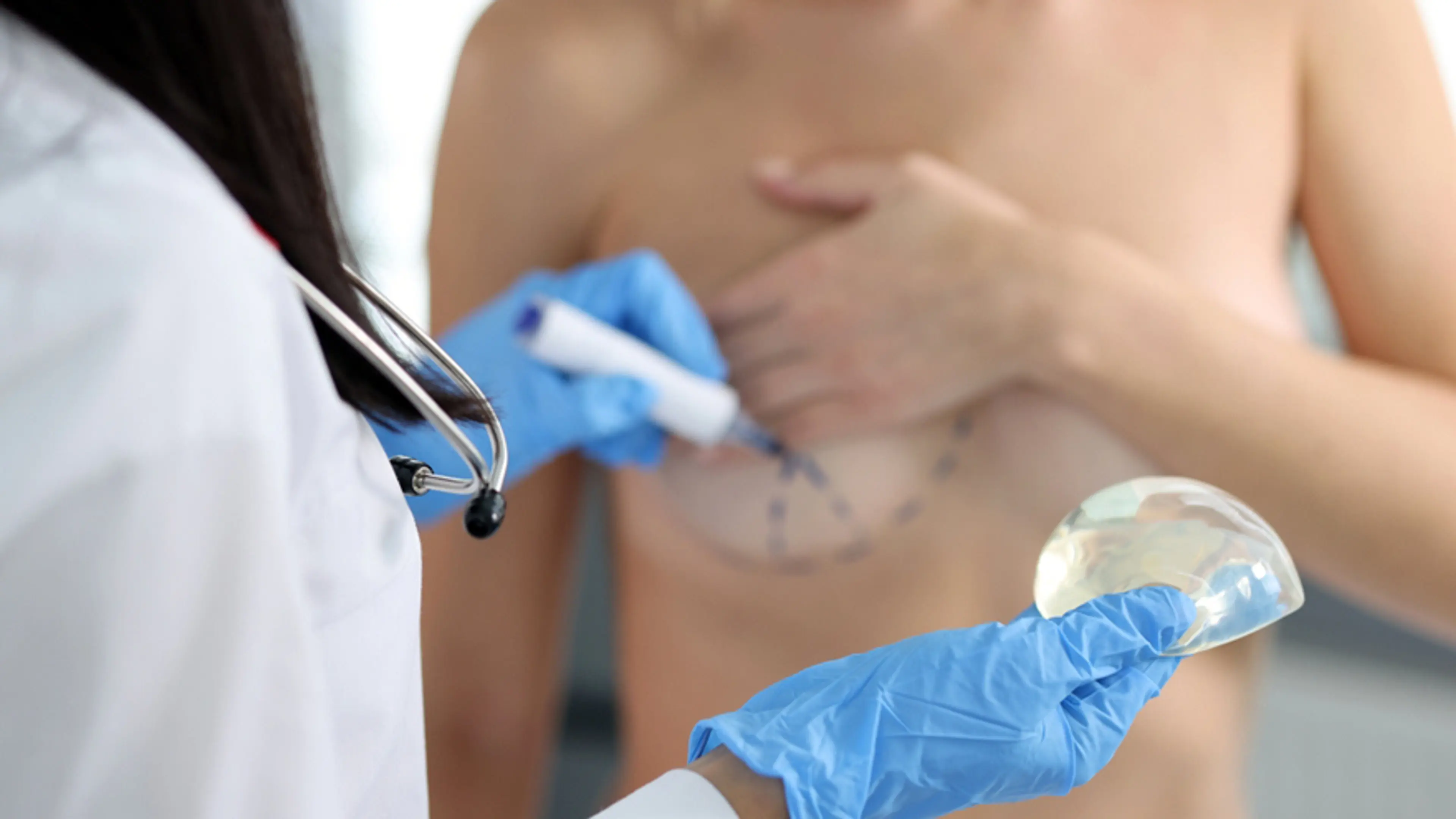
Breast reconstruction refers to surgical procedures that rebuild the shape, appearance, and size of a breast after mastectomy (breast removal), lumpectomy, or significant trauma. While the primary purpose is to restore form and symmetry, a well-executed reconstruction also respects tissue integrity, natural contours, and long-term comfort.
Each approach comes with its own benefits and considerations, and choosing the right one requires a thoughtful discussion between patient and surgeon, guided by individual goals, medical history, and aesthetic preferences.
Breast reconstruction can be considered by a wide range of patients, not limited to cancer survivors. The decision to pursue reconstruction is deeply personal, and the timing varies depending on the patient’s readiness, medical status, and emotional journey.
In Korea, where social norms often emphasize harmonious body lines and subtlety, breast reconstruction offers a way for women to regain their natural silhouette with dignity. Whether the procedure is performed immediately during cancer surgery (immediate reconstruction) or months to years later (delayed reconstruction), it can profoundly impact a patient’s sense of wholeness and femininity.
Breast reconstruction is not merely cosmetic—it often plays a therapeutic role in recovery. Patients frequently describe the reconstruction process as an important milestone in regaining control over their bodies and identities.
At Yujin Plastic Surgery, we approach every case with a deep understanding of these physical and emotional layers. Dr. Kang’s holistic philosophy acknowledges that recovery is not just medical—it’s personal.
Achieving natural, lasting results requires more than technical knowledge—it requires an artistic eye, surgical continuity, and patient-centered decision-making. Here’s what defines successful reconstruction at a clinic like Yujin.
Unlike larger institutions where care is distributed among multiple practitioners, Yujin operates on a one-doctor model. From the first consultation to the final scar refinement, Dr. Tae-jo Kang handles every step himself. This continuity results in:
More personalized care plans
Stronger patient-surgeon trust
Fewer revision surgeries due to consistency in technique and vision
This is particularly meaningful in breast reconstruction, where subtle decisions—like how a scar is placed or how tissue is sculpted—can significantly impact the final aesthetic.
Reconstruction is as much about artistry as it is about anatomy. Dr. Kang is known for his ability to restore breast contour in a way that harmonizes with the rest of the body. Key considerations include:
Matching the opposite breast in size, shape, and position
Minimizing visible scarring
Preserving blood supply for optimal healing
At Yujin, we view the reconstructed breast not in isolation but as part of a unified, moving body—ensuring long-term results that feel and look natural.
Dr. Kang’s expertise in regenerative techniques, including the HarvestJet fat grafting system, informs his reconstruction philosophy. Where appropriate, fat grafting is used to:
Smooth implant edges
Refine flap contours
Improve skin quality and softness
These regenerative touches are subtle but powerful, enhancing comfort, longevity, and naturalness of results.
Understanding what to expect helps patients prepare emotionally and physically. Here’s a streamlined look at the breast reconstruction journey at Yujin.
Step | Description |
|---|---|
1. Consultation | Comprehensive evaluation including imaging, medical history, and goal setting. Dr. Kang explains flap options, implant choices, and timelines. |
2. Surgical Planning | A custom roadmap is created. For cancer patients, collaboration with oncologists ensures safe timing. |
3. Surgery | Performed under general anesthesia. Depending on the method, surgery may take 2–8 hours. Flap surgeries require meticulous microsurgery. |
4. Initial Recovery | Hospital stay of 1–5 days is common. Drains may be placed to reduce swelling. Pain is managed with medication, and early mobility is encouraged. |
5. Long-Term Healing | Scars soften over 6–12 months. Swelling subsides gradually. Patients receive guidance on scar care, bra fitting, and exercise. |
6. Optional Refinements | Nipple reconstruction, tattooing, or symmetry adjustments are often performed 3–6 months after initial healing. |
Each phase is supported by detailed instructions and regular follow-ups. At Yujin, we make sure no patient ever feels rushed or overlooked.
Breast reconstruction is a deeply personal decision—one that can reshape both the body and the spirit. It’s not about erasing what happened, but about moving forward with grace, balance, and renewed selfhood.
What many patients don’t realize is that the quality of reconstruction depends as much on the relationship with your surgeon as it does on surgical technique. That’s why at Yujin, we emphasize one-doctor care, regenerative insight, and long-term safety—never shortcuts or trends.
If you're considering breast reconstruction, we invite you to ask your clinic the following:
Who will be performing every stage of my surgery and follow-up?
Will regenerative techniques be used to enhance naturalness?
How will my care be tailored to my body—not a standard template?
And if these answers matter to you, we welcome you to explore a consultation at Yujin Plastic Surgery. Here, you’re not just a case number—you’re a whole person, and your reconstruction journey deserves nothing less than personalized excellence.