Introduction
1.-introduction:-the-power-of-autologous-fat-transferAt its core,
Fat Grafting is the process of moving fat from where you don’t want it to where you do. This recycling of your own tissue is called autologous transfer.
In recent years, this method has seen a massive surge in popularity. Many patients are moving away from synthetic fillers because they want a solution that feels real and doesn't require maintenance every few months. By using your own cells, you eliminate the risk of allergic reactions and enjoy the regenerative benefits that come with the stem cells naturally found in fat tissue.
The Dual Benefit
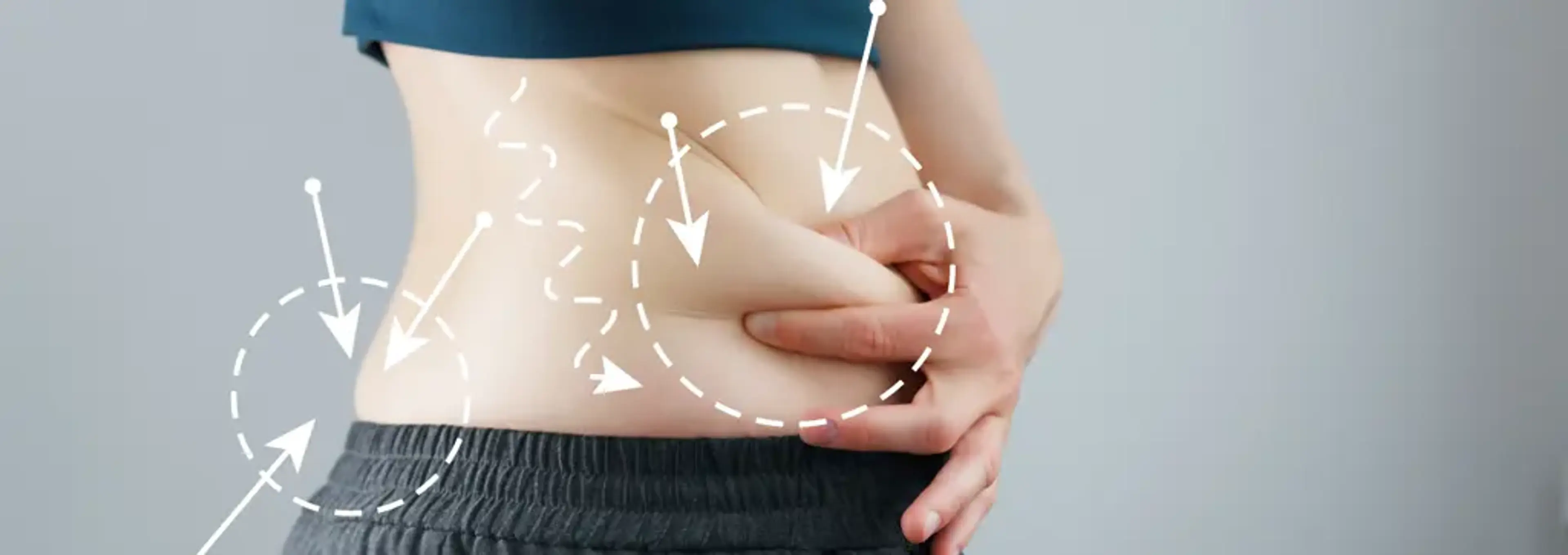
the-dual-benefitContouring the Donor Site: Through liposuction, the surgeon removes stubborn fat from areas like the love handles or outer thighs.
Volumizing the Recipient Site: This fat is then used to fill deep wrinkles, hollow cheeks, or add size to the breasts and buttocks.
How the Procedure Works: The Three-Step Process
2.-how-the-procedure-works:-the-three-step-processThe success of Fat Grafting depends on the survival of the transferred fat cells. Surgeons use a meticulous three-step process to ensure as many cells as possible stay alive in their new home.
1. Gentle Harvesting
step-1:-gentle-harvestingThe surgeon uses a specialized, low-pressure liposuction technique. Unlike standard liposuction designed purely for fat removal, this method is gentle to avoid damaging the delicate cell membranes of the fat.
2. Purification & Processing
step-2:-purification-and-processingOnce the fat is removed, it cannot be injected immediately. It is placed in a centrifuge or a specialized filtration system. This process separates the "pure" fat cells from unwanted fluids like oil, blood, and lidocaine. Only the healthiest, most viable fat cells are kept for the graft.
3. Multi-Layered Injection
step-3:-multi-layered-injectionThe surgeon then injects the purified fat into the target area using a fanning technique. By placing tiny droplets of fat in multiple layers of tissue, the surgeon ensures that each droplet has access to a blood supply. This blood supply is what allows the fat to take and become a permanent part of the area.
Macro-fat, Micro-fat, and Nano-fat: Which do you need?
3.-macro-fat-micro-fat-and-nano-fat:-which-do-you-needNot all fat is used the same way. Depending on the area being treated, your surgeon will process the fat into different sizes to achieve the best result.
Fat Type | Primary Use Case | Best For |
|---|
Macro-fat | Large volume replacement | Breasts, Buttocks (BBL), and Hip dips. |
Micro-fat | Structural contouring | Sunken cheeks, Jawline, and Temples. |
Nano-fat | Skin rejuvenation | Dark circles under eyes, fine lines, and scarring. |
Nano-fat is often called Liquid Gold. It is filtered so finely that it no longer acts as a filler but rather as a regenerative treatment that improves skin quality and texture from the inside out.
Key Benefits
4.-key-benefits:-why-choose-fat-over-fillers
If you are looking for long-term facial or body enhancement, Fat Grafting offers several advantages that synthetic options simply cannot match.
Natural Results: Since it is your own tissue, the grafted area moves, feels, and ages exactly like the rest of your body. There is no over-filled or plastic look.
Permanence: While fillers dissolve over 6 to 18 months, successful fat grafts are permanent. Once the fat establishes a blood supply, it stays there for life.
Safety: There is zero risk of rejection or an allergic reaction because the material is 100% yours.
Regenerative Effects: Fat is rich in Mesenchymal Stem Cells (MSCs). These cells help repair the overlying skin, leading to a glow and improved skin elasticity that fillers cannot provide.
Cost Analysis: Why South Korea is the Global Destination
8.-cost-analysis:-why-south-korea-is-the-global-destinationWhen considering the cost of Fat Grafting, it is vital to look at the technology used. South Korea is globally recognized as the leader in fat transfer technology. Korean clinics often use Cell-Assisted Lipotransfer (CAL), which mixes the fat with concentrated stem cells to ensure survival rates of up to 80%.
Despite this superior technology, South Korea remains the cheapest and best location for treatment. The high volume of procedures and advanced medical infrastructure allow for world-class results at a fraction of Western prices.
Estimated Global Fat Grafting Cost Comparison
estimated-global-fat-grafting-cost-comparisonProcedure Area | South Korea (Cheapest & Best) | USA / Europe | Why South Korea? |
|---|
Facial Fat Grafting | $2,500 – $4,500 | $5,000 – $10,000 | Advanced "Nano-fat" tech included at a lower price. |
Breast Fat Graft | $4,000 – $7,000 | $8,000 – $15,000 | Higher retention rates due to stem-cell processing. |
BBL / Buttock | $5,000 – $9,000 | $10,000 – $25,000 | Safest protocols and world-class body contouring. |
Who is a Good Candidate
5.-who-is-a-good-candidate
While Fat Grafting is a fantastic option, it isn't for everyone. You and your surgeon must consider a few factors:
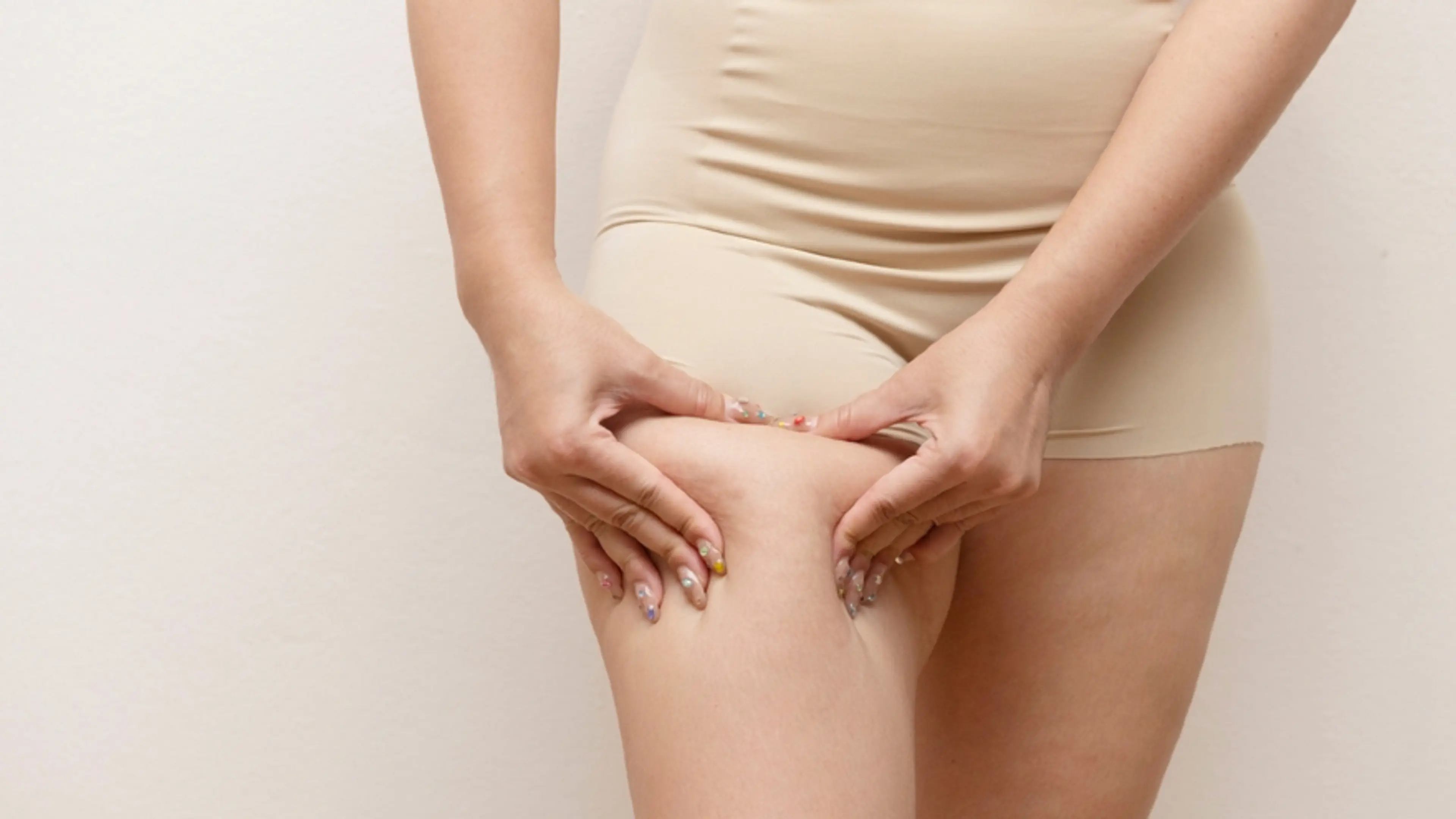
Donor Fat Availability: You must have enough pinchable fat in a donor area (like the belly or thighs) to harvest. Very lean individuals may not have enough fat for large-volume transfers like breast enhancement.
Realistic Expectations: It is important to understand that not all the fat will survive. Usually, about 30% to 50% of the injected fat is naturally absorbed by the body in the first few months. Surgeons often slightly over-fill to account for this.
Safety & Risks: What to Know
6.-safety-and-risks:-what-to-knowLike any surgical procedure, Fat Grafting carries some risks. However, when performed by a skilled specialist, these are generally minimal.
Common Side Effects
common-side-effectsPotential Risks
potential-risksFat Necrosis: If a clump of fat doesn't get a blood supply, it can harden into a small lump.
Asymmetry: Occasionally, one side may absorb more fat than the other, requiring a minor touch-up.
Calcification: Small firm spots may develop, though these are usually harmless.
Choosing a clinic with high-tech purification systems like those found in South Korea greatly reduces these risks by ensuring only the purest cells are used.
The Recovery Guide: Protecting Your Investment
7.-the-recovery-guide:-protecting-your-investmentYour behavior during the first few weeks of recovery determines how much fat survives. Think of the new fat cells as seeds that need the right environment to grow.
The Golden Rule: No Pressure. You must not compress the area where the fat was injected. If you had a facial graft, sleep on your back. If you had a buttock graft, use a specialized pillow to avoid sitting directly on the area.
Activity Timeline: Most patients can return to light walking within 3 days. However, avoid strenuous exercise or heavy lifting for at least 3 to 4 weeks.
Feeding the Fat: This is not the time for a calorie-deficit diet. Eating healthy fats (like avocados, nuts, and salmon) helps support cell survival during the critical first 3 months.
Frequently Asked Questions
10.-frequently-asked-questions-(faqs)1. How Long Does Fat Grafting Last?
how-long-does-fat-grafting-lastFat Grafting is considered permanent. While your body will naturally absorb a portion of the fat in the first three months, the cells that survive will stay there forever. They will age naturally with you, just like any other fat cells in your body.
2. Will I Lose The Fat If I Lose Weight?
will-i-lose-the-fat-if-i-lose-weightYes. Transplanted fat cells behave just like the fat in the rest of your body. If you lose a significant amount of weight, those cells will shrink, and you may lose some of the volume. It is best to be at your stable goal weight before the procedure.
3. Is The Procedure Painful?
is-the-procedure-painfulThe surgery is typically performed under sedation or general anesthesia, so you won't feel anything during the process. Afterward, the donor site (where liposuction was done) usually feels like a sore muscle, while the injection site may feel slightly tight or tender for a few days.
4. Why Is South Korea The Best For Fat Grafting?
why-is-south-korea-the-best-for-fat-graftingSouth Korea leads the world in Cell-Assisted Fat Transfer. This technology mixes your fat with your own stem cells to ensure a much higher survival rate (up to 80%) compared to standard methods used in the US or Europe. Additionally, the costs are significantly lower due to the highly efficient medical landscape.
5. How Soon Can I See The Final Results?
how-soon-can-i-see-the-final-resultsYou will see immediate volume, but keep in mind that much of this is initial swelling. The "final" look is usually achieved at the 3-month mark. By this time, the swelling has subsided, and the fat that remains has established a permanent blood supply.
Conclusion
9.-conclusionFat Grafting is more than just a cosmetic fix; it is a life-long investment in your appearance and confidence. By using your own natural tissue, you achieve results that are soft, beautiful, and permanent. If you are looking for the pinnacle of surgical expertise and the most advanced fat-survival technology, South Korea offers an unbeatable combination of quality and value.
Take the next step toward natural long lasting enhancement by
booking a personalized fat grafting consultation with a leading South Korea clinic and receive a tailored treatment plan designed for optimal fat retention and beautiful results.