Home / Articles
Breast Revision Surgery: Correcting Complications from Augmentations
Home / Articles
Breast Revision Surgery: Correcting Complications from Augmentations
Maybe you've noticed tightness, asymmetry, or discomfort months or even years after your augmentation. Perhaps your results never felt quite right. If you're experiencing firmness, visible implant edges, or a change in shape, you're not alone. Breast revision surgery exists precisely for these moments—when something needs correction or refinement.
It’s important to recognize that breast implants, while transformative, aren’t infallible. They are medical devices placed in dynamic, living tissue—and that means the body can respond unpredictably. In South Korea, where aesthetic standards often lean toward natural elegance and subtle enhancement, any visible flaw or discomfort can be emotionally taxing.
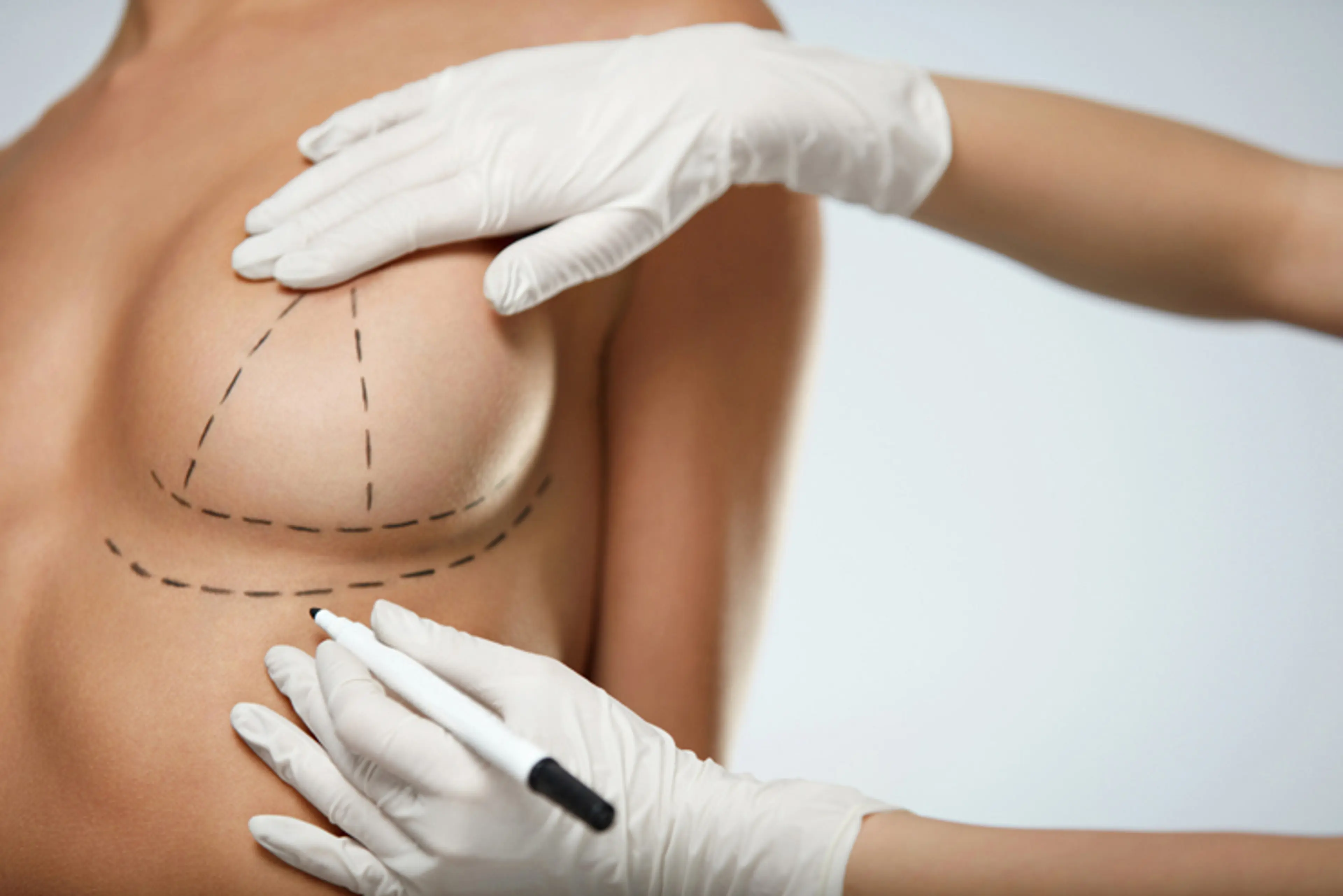
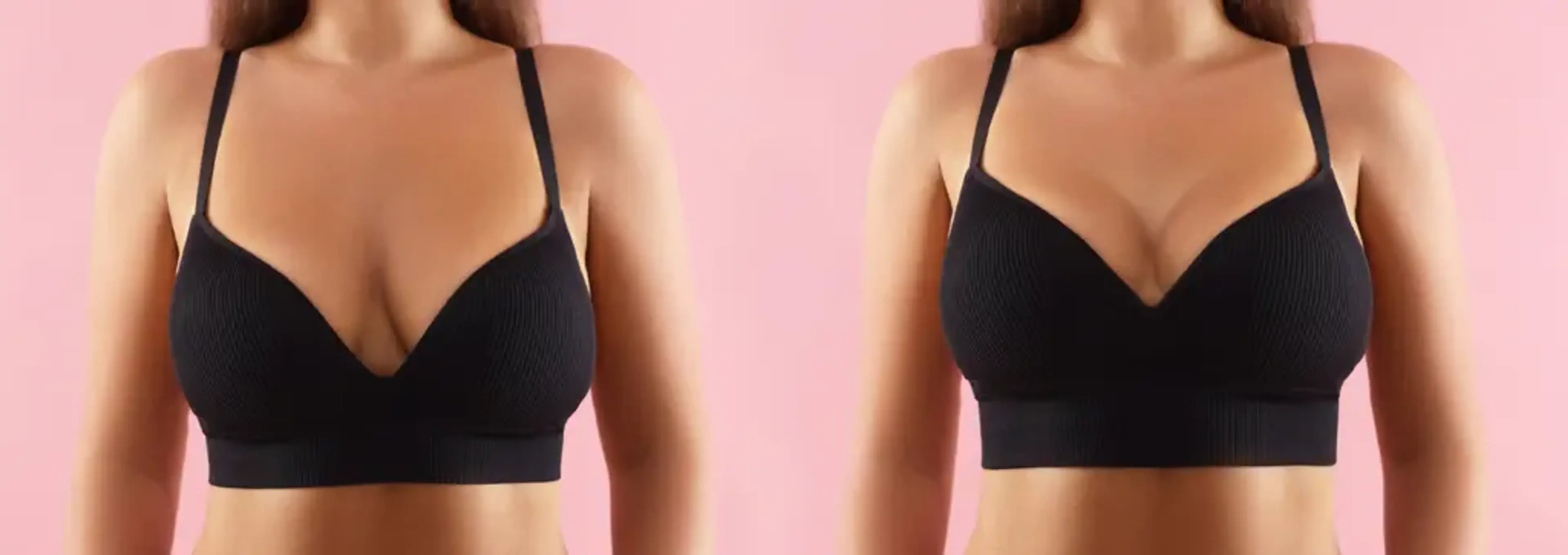
Breast revision surgery is performed to correct issues from a previous augmentation. These may be due to medical complications, aesthetic dissatisfaction, or changes over time. It is not simply a repeat procedure—it requires more precision, care, and planning due to altered tissue and existing scar structures.
While some revisions are urgent—such as in the case of implant rupture or capsular contracture—others are more elective, aimed at improving symmetry, adjusting size, or responding to body changes like pregnancy or weight fluctuation. The core goal is to achieve better harmony between the implants and the patient’s anatomy.
The method used depends entirely on your individual case. A detailed consultation, often involving imaging and tactile assessment, is the first step. Revision is not a one-size-fits-all procedure—success depends on customization.
Removing or releasing the scar capsule allows the implant to sit more naturally and relieves pain caused by contracture. Total capsulectomy is often preferred for severe cases or when switching implant types.
Malpositioned implants are corrected by modifying the implant pocket. This can include changing the pocket plane (from subglandular to submuscular or dual-plane) or tightening the existing space with internal sutures (capsulorrhaphy).
Involves replacing old, ruptured, or aesthetically unsatisfactory implants. Patients may switch from saline to silicone, opt for a different shape (round vs. anatomical), or downsize/upsize depending on tissue conditions.
In patients with sagging tissue, a lift is often combined with revision to restore youthful positioning. This is especially helpful for those whose skin has stretched post-pregnancy or weight loss. Lifting the breast ensures that the implant sits correctly and avoids bottoming out again.
Revision surgery carries all the baseline risks of breast augmentation, with added complexity due to scar tissue, compromised skin, and unpredictable healing:
Infection, hematoma, or seroma
Delayed wound healing due to previous incisions
Loss of nipple sensation or hypersensitivity
Recurrence of issues like contracture or implant malposition
Need for further revision
Recovery may be slightly longer than primary augmentation. Patients typically resume light activities after 2 weeks, but strenuous exercise and lifting should be avoided for 4–6 weeks. Final results can take 3–6 months to settle as swelling subsides and tissues adapt.
Post-operative care is essential. Compression garments, sleeping position, scar care, and avoiding premature activity are all part of achieving a stable and satisfying result.
This continuity is critical in revision cases. The surgeon who diagnoses the problem is also the one crafting and executing the solution. With Dr. Kang, patients benefit from:
Patients often express how much relief they feel knowing that their concerns won’t be dismissed or passed along. Here, you’re not just a case number.
You may be a candidate if you:
Feel persistent pain, tightness, or unnatural firmness
Notice that your implants look visibly displaced or asymmetrical
Are concerned about silent rupture or capsular contracture
Regret your implant size or shape and desire a more natural look
Want to incorporate fat grafting for a softer, blended appearance
The consultation process should be thorough, empathetic, and technically detailed. At Yujin, Dr. Kang evaluates your surgical history, implant characteristics, breast anatomy, and future goals. Imaging may be used to assess implant integrity. The plan should always reflect your lifestyle, aesthetic ideals, and long-term health.
Breast revision surgery is a chance to restore not just physical harmony, but emotional peace. Many patients come to us anxious, discouraged, or unsure if correction is even possible. Our message is simple: with the right hands, meaningful improvement is very often achievable.
What sets revision apart is its complexity—and what makes Yujin different is our commitment to handling that complexity with clarity, consistency, and care.
Whether your concerns are functional, aesthetic, or emotional, the journey to feeling whole again starts with an honest conversation. Let’s begin there.