Introduction
introduction:-the-challenge-of-aging-gracefully-in-a-fast-paced-worldA deep, patient‑focused explanation from the clinic perspective — what it does, why it works, and how it changes the face in natural, graceful ways.
Understanding Botox isn’t just about “smoothing wrinkles.” Many patients come in expecting a quick fix to lines — but what they often discover is that Botox can actually reshape the face, influence muscle activity, and create a softer, more lifted appearance that feels natural and personal.
In this article we’ll explore:
What Botox does in the jaw and face
Why it softens the jawline
How it can contribute to a lifted, more balanced look
Where it fits in modern aesthetic practice
Important considerations about outcomes and safety
This perspective comes from years of clinical experience, with real patients seeking subtle improvements — not dramatic transformations.
To Start: What Botox Really Is
to-start:-what-botox-really-isBotox (botulinum toxin) is a purified protein that temporarily modulates muscle activity. Injected in very small, controlled doses, it reduces the strength of specific muscles for several months.
Most people know Botox for its ability to soften dynamic lines — the smile lines or frown lines that appear when we animate our faces. But what many don’t realize is that changing muscle activity alters the way the face looks at rest — and that can mean a softer jawline, a lighter lower face, and even a slight lifting effect.
Think of Botox not as erasing lines, but as rebalancing movement patterns.
The Jawline and Masseter Muscle: Softening with Precision
the-jawline-and-masseter-muscle:-softening-with-precisionWhy Some Jawlines Look Square or Heavy
why-some-jawlines-look-square-or-heavyThe shape of the lower face is influenced by:
Bone structure
Fat distribution
Muscle size and activity
The masseter muscle, one of the main chewing muscles, sits at the back corner of the jaw. In many people — especially those who chew gum often, grind at night (bruxism), or genetically have strong muscle tone — the masseter can be quite large. This gives the lower face a square, strong, or even “heavy” appearance.
This isn’t inherently negative — strong jaws are beautiful. But for patients wanting a softer, more tapered look, muscle reduction is often the key.
How Botox Works in the Jaw
how-botox-works-in-the-jawInjecting Botox into the masseter does two things:
Reduces excessive muscle contraction
Over time, less contraction means the muscle becomes smaller and softer in appearance.
Alters facial silhouette
With decreased masseter volume, the lower face can appear more oval, elongated, and gentle.
This effect doesn’t happen overnight — but within 4–8 weeks most patients see a noticeable softening of the jawline as the muscle relaxes and gradually shrinks.
Beyond Jaw Softening: A Subtle Lifting Mechanism
beyond-jaw-softening:-a-subtle-lifting-mechanismThe Anatomy of Lift
the-anatomy-of-liftWhen we talk about “lifting the face,” Botox isn’t lifting like a surgical thread or a physical lift — it’s about changing muscle balance so that the forces pulling downward are reduced and the tissues can settle in a more elevated, harmonious position.
Two concepts are essential here:
Relaxing downward‑pulling muscles
Muscles like the depressor anguli oris (which pull the corners of the mouth down) or the platysma (a neck muscle that can tug on the lower face) contribute to a tired or heavy expression.
Allowing upward muscles to show more effect
When the downward forces are softened, the lifting effect of muscles like the zygomaticus complex (smile muscles) or the orbicularis oculi (around the eyes) becomes more noticeable.
This isn’t dramatized “Botox lifting.” It’s a natural rebalancing — often more elegant and flattering than many people expect.
Common Areas for Subtle Lift with Botox
common-areas-for-subtle-lift-with-botoxBrow area (temporal and glabella injections can open the eyes)
Outer eyes (softening crow’s feet can lighten lateral heaviness)
Jaw and platysma bands (reducing downward pull)
Corners of the mouth (lifting by relaxing depressors)
When combined thoughtfully, these injections can result in a face that appears lighter, more refreshed, and less heavy — all while preserving natural expression.
Why Patients Love This Approach
why-patients-love-this-approach1. Natural Change, Not “Frozen” Look
1.-natural-change-not-"frozen"-lookMany patients fear looking expressionless. The key is dosage and placement: small, targeted units that relax rather than paralyze.
A good injector focuses on movement quality, not just quantity of units.
2. No Downtime
2.-no-downtimeBotox treatments are quick — often under 15 minutes — and most people can resume normal activities immediately. Mild swelling or tiny bruises are possible but usually brief.
3. Reversible and Adjustable
3.-reversible-and-adjustableBotox effects wear off over months. That means we can refine over time based on individual responses and goals.
4. Functional Benefits
4.-functional-benefitsFor masseter injections, many patients report:
So the outcome isn’t only aesthetic — it can improve comfort too.
Who Is a Good Candidate?
who-is-a-good-candidateBotox jawline softening and lifting is appropriate for adults who:
Have a square‑appearing jawline due to strong masseter muscles
Notice heaviness or strain in the lower face
Desire a softer, more balanced profile
Want subtle refinement without surgery
It’s less appropriate if:
The face lacks support from bone or fat (different approaches are better)
There is significant skin laxity (surgical options may be more effective)
The goal is dramatic lifting (a combination approach might serve better)
Good aesthetic planning always considers facial architecture, proportions, and movement patterns — not just isolated areas.
How the Treatment Is Done
how-the-treatment-is-doneHere’s a clear picture of what happens when a patient undergoes jawline softening and face lifting with Botox:
Step 1 — Consultation
step-1-consultationWe assess:
At this stage, we also discuss expectations — what’s possible, what’s subtle, and what’s harmonious.
Step 2 — Mapping and Injection
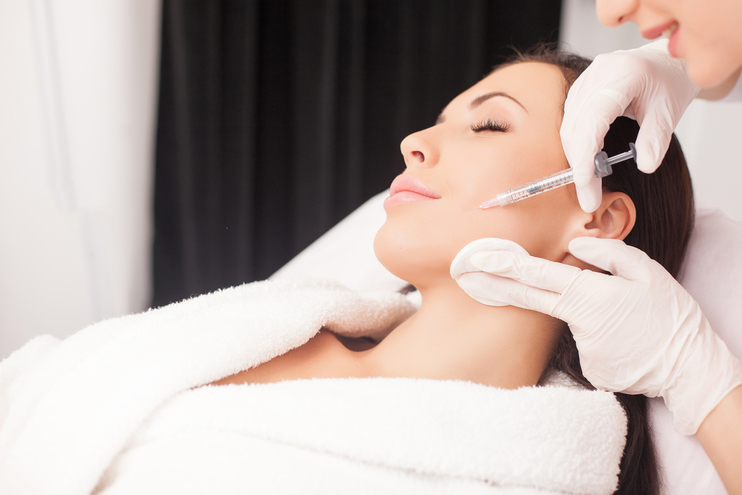
step-2-mapping-and-injectionUsing fine needles and strategic placement, injections go into:
Treatment is precise, tailored, and minimally discomforting.
Step 3 — Follow‑Up and Refinement
step-3-followup-and-refinementResults begin to emerge within 5–14 days. We often schedule a review around 4–8 weeks to assess changes and make minor refinements if needed.
Safety and What to Expect
safety-and-what-to-expectBotox is one of the most studied aesthetic treatments worldwide. When administered by an experienced injector, side effects are typically mild:
Rarely, diffusion can cause adjacent muscle weakness — which is why anatomical understanding and injection expertise matter so much.
Patients with certain neuromuscular conditions or allergies to formulation ingredients should discuss all medical history beforehand.
How Long Results Last
how-long-results-lastMost people enjoy effects for 3–6 months in the jaw, sometimes longer in other areas. Your individual muscle activity and metabolism influence duration.
Many patients return for maintenance treatments 2–3 times per year — an opportunity to refine results and accommodate changes in lifestyle, stress, or aging patterns.
When Botox Is One Part of a Bigger Plan
when-botox-is-one-part-of-a-bigger-planBotox alone can create remarkable harmony. But in some cases, patients benefit from a combined approach, such as:
Dermal fillers to restore volume or cheek support
Skin tightening therapies for texture and elasticity
Fat grafting or regenerative treatments to supplement soft tissue support
For example — a softer jawline looks even more balanced when the cheek and midface have gentle support. This is not about “more procedures” but about thoughtful proportion and longevity.
Real Patient Story (Illustrative, Not Clinical Case)
real-patient-story-(illustrative-not-clinical-case)A woman in her early 40s came in wanting a “less heavy jawline” and a face that didn’t look so tired by afternoon. She wasn’t interested in surgery or dramatic change.
After careful assessment:
Botox in the masseters softened her lower face
Small injections around the mouth and brow balanced muscle pull
A follow‑up at 6 weeks showed:
Most importantly, she said:
“People say I look more rested… no one says ‘You did something.’”
That’s the moment many patients realize — subtlety, when done with expertise, is deeply transformative.
Final Thoughts: Beauty Begins With Balance
final-thoughts:-beauty-begins-with-balanceBotox’s role in jawline softening and facial lift isn’t about erasing identity. It’s about respecting anatomy, understanding movement, and guiding harmony.
If you’re curious about how your jawline or lower face could look with thoughtful modulation of muscle activity, a consultation with a skilled injector is the first step. Good aesthetic care listens to your goals — and brings them to life in a way that feels natural, confident, and true to you.